
Introduction
Maintaining good oral hygiene is essential for children, not just for sparkling teeth but for overall health. Teaching kids proper oral hygiene early can prevent cavities, gum problems, and long-term dental issues. Parents and caregivers play a crucial role in shaping these habits, making daily routines engaging, consistent, and effective. In this article, we explore practical strategies for instilling excellent oral hygiene habits in children, ensuring they grow with healthy smiles.
Understanding the Importance of Oral Hygiene for Kids
Children often underestimate the importance of brushing and flossing. Poor oral hygiene can lead to tooth decay, gum disease, and bad breath. Beyond dental issues, oral health affects general health, including heart and digestive conditions. By teaching kids proper oral hygiene from a young age, parents can instill habits that last a lifetime.
Why Early Habits Matter
Early dental care prevents problems before they start. Kids who develop good habits before age six are more likely to maintain them into adulthood. Brushing, flossing, and routine dental visits teach responsibility and reinforce health-conscious behaviors.
The Role of Parents
Children imitate what they see. Parents who brush and floss regularly set a strong example. Supervising their child’s routine ensures correct technique and reinforces consistency. A positive, encouraging approach makes children more willing to participate.
Practical Tips for Teaching Kids Proper Oral Hygiene
Make Brushing Fun
Children respond well to fun and interactive experiences. Using colorful toothbrushes, flavored toothpaste, or timers with music can turn brushing into a playful activity rather than a chore. Storytelling or brushing alongside a favorite toy encourages engagement.
Teach Proper Brushing Techniques
Showing kids how to brush correctly is more important than just brushing twice a day. Start with gentle circular motions, focusing on all teeth surfaces, including the back molars. Encourage brushing for at least two minutes. Demonstrating on a stuffed toy or mirror helps children understand the process.
Introduce Flossing Early
Flossing can be challenging for children, but starting early helps them get used to it. Begin when two teeth touch, using kid-friendly flossers. Make flossing part of the daily routine and supervise until children can do it independently.
Explain the “Why”
Children are more motivated when they understand reasons behind tasks. Explain that brushing removes sugar and germs that cause cavities. Use simple, relatable language, such as “Brushing keeps your teeth strong so you can eat your favorite foods.”
Regular Dental Check-Ups
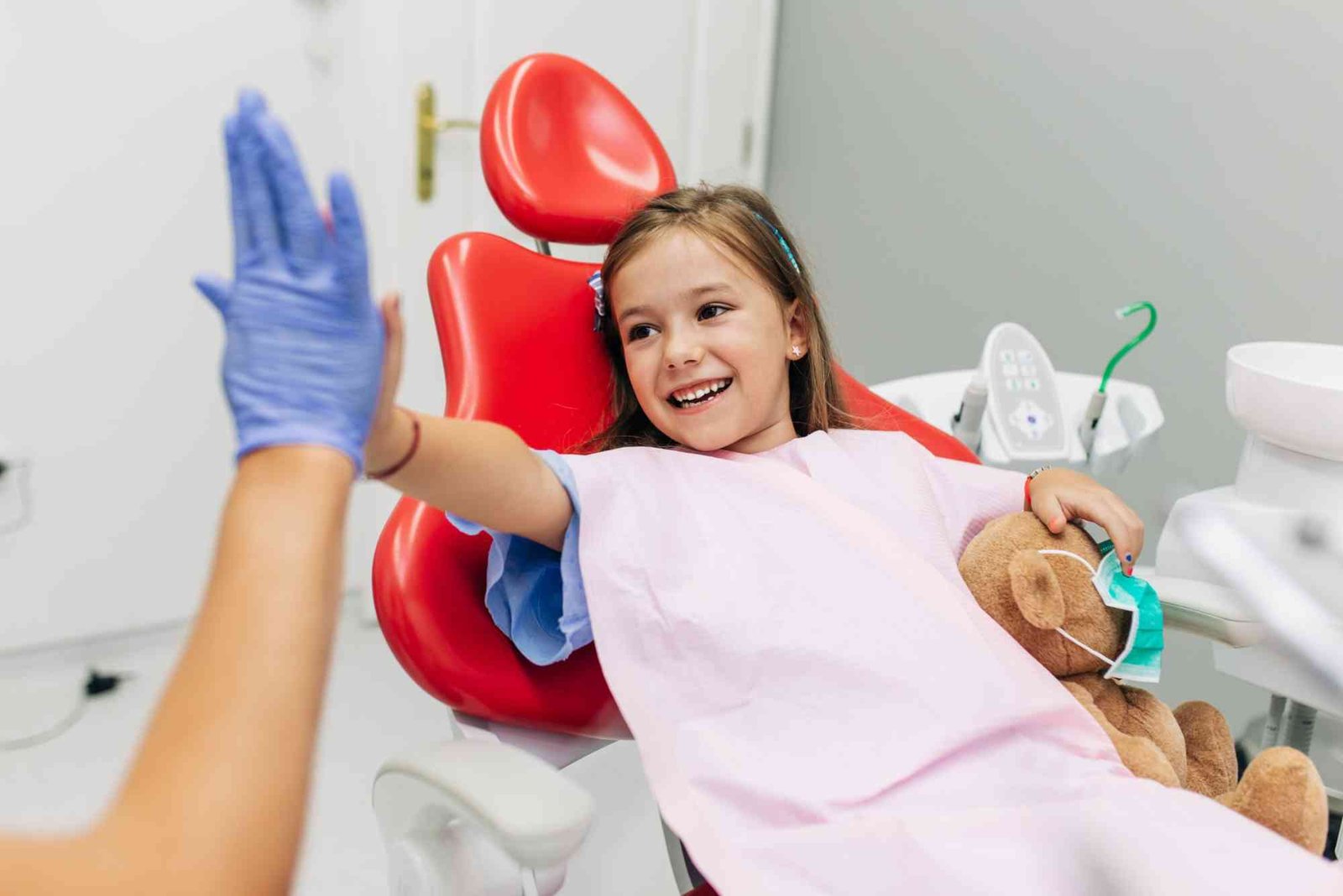
Visiting the dentist regularly reinforces oral hygiene education. A dentist can provide personalized advice, detect early problems, and reward children for good practices. Scheduling visits every six months helps normalize dental care.
Healthy Eating Habits
Oral hygiene is not just about brushing. Limit sugary snacks and drinks, which increase cavity risk. Encourage water, fruits, and vegetables that support healthy teeth and gums. Teaching kids about balanced diets reinforces the connection between food and oral health.
Positive Reinforcement
Reward systems can motivate children to maintain routines. Stickers, praise, or small incentives for consistent brushing and flossing make habits stick. Avoid punishing mistakes; focus on encouragement and celebrating progress.
Modeling and Participation
Parents brushing alongside their children creates accountability. Sharing brushing time turns it into a family activity. Discussing oral hygiene openly shows that it’s a normal, important part of daily life.
How Technology Can Help
Several apps and devices make brushing interactive. Timed brushing apps, animated videos, or toothbrushes with light indicators provide instant feedback. These tools engage children and improve their understanding of proper technique.
Encouraging Independence Gradually
As children grow, gradually give them autonomy in their routine. Teach them to brush and floss on their own, checking periodically for technique and thoroughness. Encouraging independence builds confidence and self-discipline.
Addressing Challenges
Some children resist brushing or flossing. Consistency, patience, and creativity are key. Switching toothbrushes, creating brushing charts, or incorporating favorite songs can overcome resistance. Avoid turning brushing into a battle; gentle guidance works best.
Teaching kids proper oral hygiene requires patience, consistency, and creativity. By making routines fun, explaining the benefits, and modeling good habits, parents can help children develop lifelong healthy teeth. Remember, early habits last a lifetime, and small steps today prevent dental issues tomorrow. For detailed guidance on implementing these strategies, check out this Related Blog article or Learn more about child health practices.
Encourage your child’s oral care journey today and set them on the path to a healthy smile for life. Discover more tips on How To Teach Kids Good Oral Hygiene and start building lasting habits now.
FAQs
How often should kids brush their teeth?
Children should brush at least twice a day, morning and night, for two minutes each session.
When should a child start flossing?
Begin flossing when two teeth touch. Use kid-friendly flossers and supervise until they can do it independently.
What type of toothpaste is best for kids?
Use fluoride toothpaste suitable for children’s age. For younger kids, pea-sized amounts are recommended.
How can I make brushing fun for my child?
Incorporate colorful toothbrushes, flavored toothpaste, music, or apps that guide brushing. Rewarding consistency also helps.
How often should kids visit the dentist?
Children should visit the dentist every six months for check-ups and professional cleaning.