
Introduction
Your mattress is more than just a place to rest—it is a foundation for your overall health. Over time, mattresses can accumulate dust, sweat, dead skin cells, and allergens that can affect your sleep quality and wellbeing. Understanding why regular mattress cleaning is crucial for your health can prevent long-term health issues, improve your sleep, and extend the life of your mattress. In this article, we’ll explore practical tips for maintaining a clean mattress and why this routine is essential for your daily wellness.
The Hidden Health Risks of a Dirty Mattress
A mattress may appear clean at first glance, but microscopic threats lurk beneath the surface. Dust mites, bacteria, and mold are common culprits that can thrive in warm, dark sleeping environments. Prolonged exposure to these irritants can trigger allergies, asthma, and skin infections. Studies suggest that mattresses can harbor up to millions of dust mites over time, feeding on the tiny skin flakes we naturally shed every night. Ignoring mattress hygiene not only compromises your comfort but can also undermine your immune system.


How Regular Mattress Cleaning Enhances Sleep Quality
A clean mattress promotes a healthier sleeping environment, which is directly linked to improved sleep quality. Removing allergens and bacteria reduces nighttime discomfort, such as sneezing, coughing, or skin irritation. This leads to more restorative sleep cycles and better overall energy levels during the day. Additionally, maintaining a hygienic mattress supports mental wellness. Sleeping in a clean, fresh bed can lower stress levels and promote relaxation, making your bedroom a true sanctuary.
Practical Tips for Cleaning Your Mattress
Vacuuming for Daily Maintenance
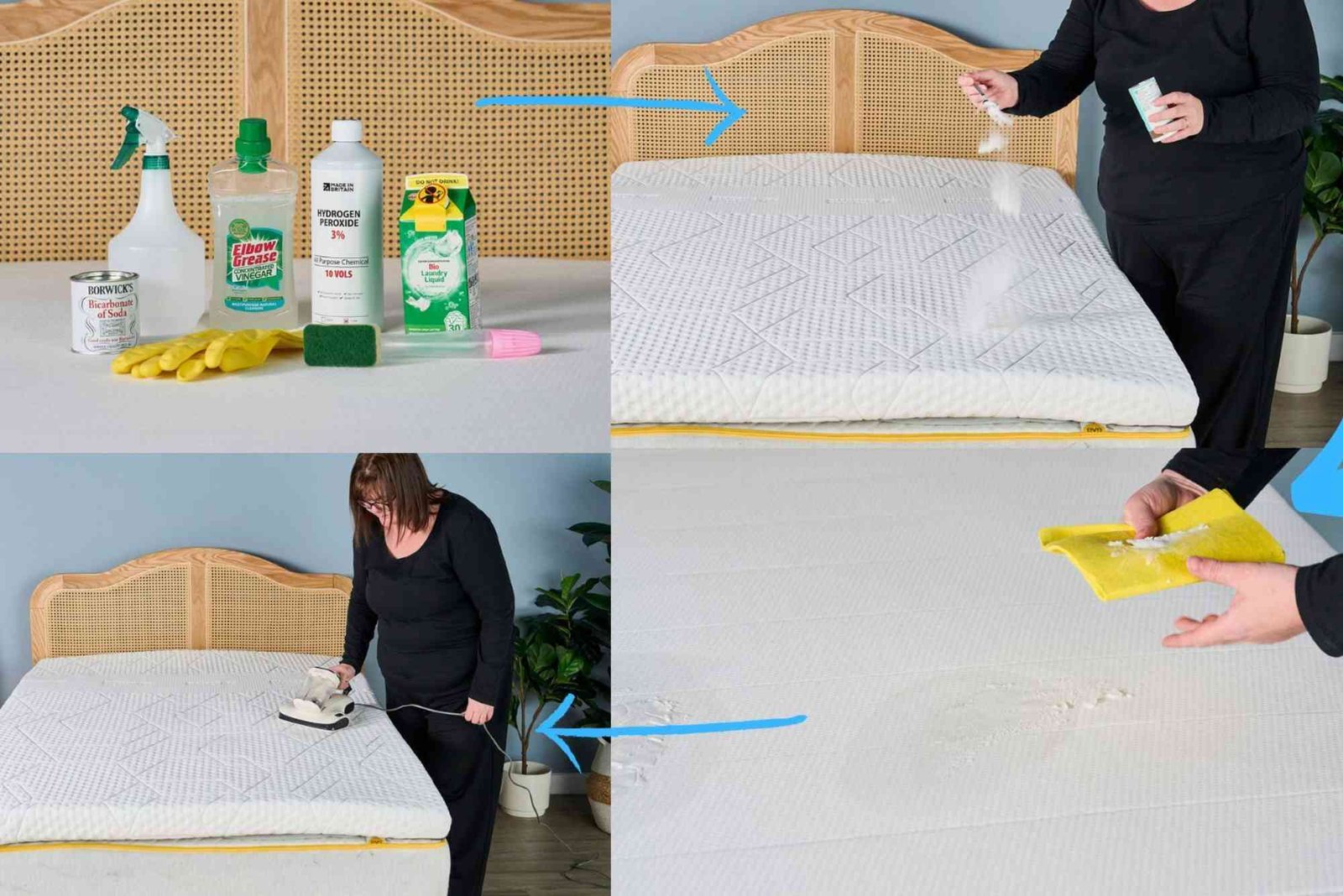
Vacuuming your mattress regularly removes dust, allergens, and debris. Using a vacuum with a HEPA filter ensures that microscopic particles are trapped efficiently. Focus on seams, crevices, and corners where dust accumulates. Incorporating vacuuming into your cleaning routine once a week can prevent long-term buildup and reduce allergy triggers, keeping your sleeping environment healthy and fresh.
Spot Cleaning Stains Safely
Spills and stains are inevitable, but addressing them immediately can prevent permanent damage. Use mild, non-toxic cleaning solutions and a damp cloth to blot stains gently. Avoid harsh chemicals that may damage the mattress fabric or irritate sensitive skin. For tougher stains, natural solutions like baking soda and distilled white vinegar can lift grime while keeping your mattress free of harmful residues.
Deodorizing for Freshness
Over time, sweat and moisture can leave a mattress smelling unpleasant. Sprinkle baking soda over the surface and let it sit for several hours to absorb odors. Lightly vacuum the baking soda afterward to remove residual powder. Deodorizing not only improves the smell but also helps neutralize bacteria and maintain a hygienic sleeping surface.
Rotating and Flipping
Rotating and flipping your mattress periodically prevents uneven wear and reduces pressure points. This simple habit can extend the life of your mattress and maintain consistent support for your body. Many modern mattresses are designed to be one-sided, but rotation is still recommended to distribute weight evenly and minimize the buildup of dirt in specific areas.
The Importance of Mattress Protection
Using a mattress protector is an effective preventive measure. These covers create a barrier against sweat, spills, and allergens. Washable mattress protectors are easy to maintain and provide an additional layer of defense, prolonging the need for deep cleaning. Combining regular cleaning with protective measures ensures a healthier sleep environment over time.
Signs It’s Time for Deep Mattress Cleaning
Even with routine care, mattresses require deep cleaning every six months to one year. Persistent odors, visible stains, or an increase in allergy symptoms are clear indicators. Professional mattress cleaning services can restore hygiene, remove deeply embedded dust mites, and eliminate bacteria that home cleaning methods may miss. Addressing these issues promptly can prevent minor problems from escalating into health concerns.
Connecting Cleanliness to Overall Health
Maintaining a clean mattress is not just about aesthetics; it is a vital part of your health routine. Allergens and microbes in an unclean mattress can trigger respiratory issues, skin problems, and even disrupt sleep patterns. Clean bedding supports immune function, reduces the risk of infections, and creates an environment conducive to mental and emotional wellbeing. Prioritizing mattress hygiene is an investment in long-term health and comfort.
Lifestyle Habits That Complement Mattress Cleaning
Regular mattress cleaning works best alongside other healthy habits. Washing bed linens weekly, showering before bed, and keeping pets off the bed can significantly reduce contaminants. Additionally, ensuring proper bedroom ventilation helps control moisture and prevents mold growth. These lifestyle choices, combined with consistent cleaning practices, create a holistic approach to maintaining a safe and restful sleeping environment.
Regular mattress cleaning is far more than a housekeeping task—it is a crucial practice for safeguarding your health. By removing dust mites, bacteria, and allergens, you can enjoy better sleep quality, enhanced immune function, and a more comfortable sleeping environment. Incorporating practical cleaning tips such as vacuuming, spot cleaning, deodorizing, and using protective covers ensures your mattress remains clean and supportive for years.
Take control of your sleep environment today and prioritize mattress hygiene. For additional insights on wellness and lifestyle tips, explore our Related Blog article or check out more on Why Regular Mattress Cleaning Is Crucial For Your Health. You can also Learn more about practices that enhance daily wellbeing.
FAQ
How often should I clean my mattress?
Ideally, vacuum your mattress weekly, spot clean stains as they occur, and perform deep cleaning every six months.
Can mattress cleaning reduce allergies?
Yes, removing dust mites, mold, and bacteria significantly lowers allergen exposure, helping prevent sneezing, asthma, and skin irritation.
Are mattress protectors really necessary?
Protectors create a barrier against spills and allergens, reducing the need for frequent deep cleaning and extending mattress life.
What is the best method for deep cleaning a mattress?
Professional cleaning or a combination of vacuuming, steam cleaning, and deodorizing at home can effectively remove deep-seated dirt and microbes.
Does mattress cleaning improve sleep quality?
Absolutely. A clean, allergen-free mattress reduces discomfort and promotes deeper, more restful sleep.