
Introduction
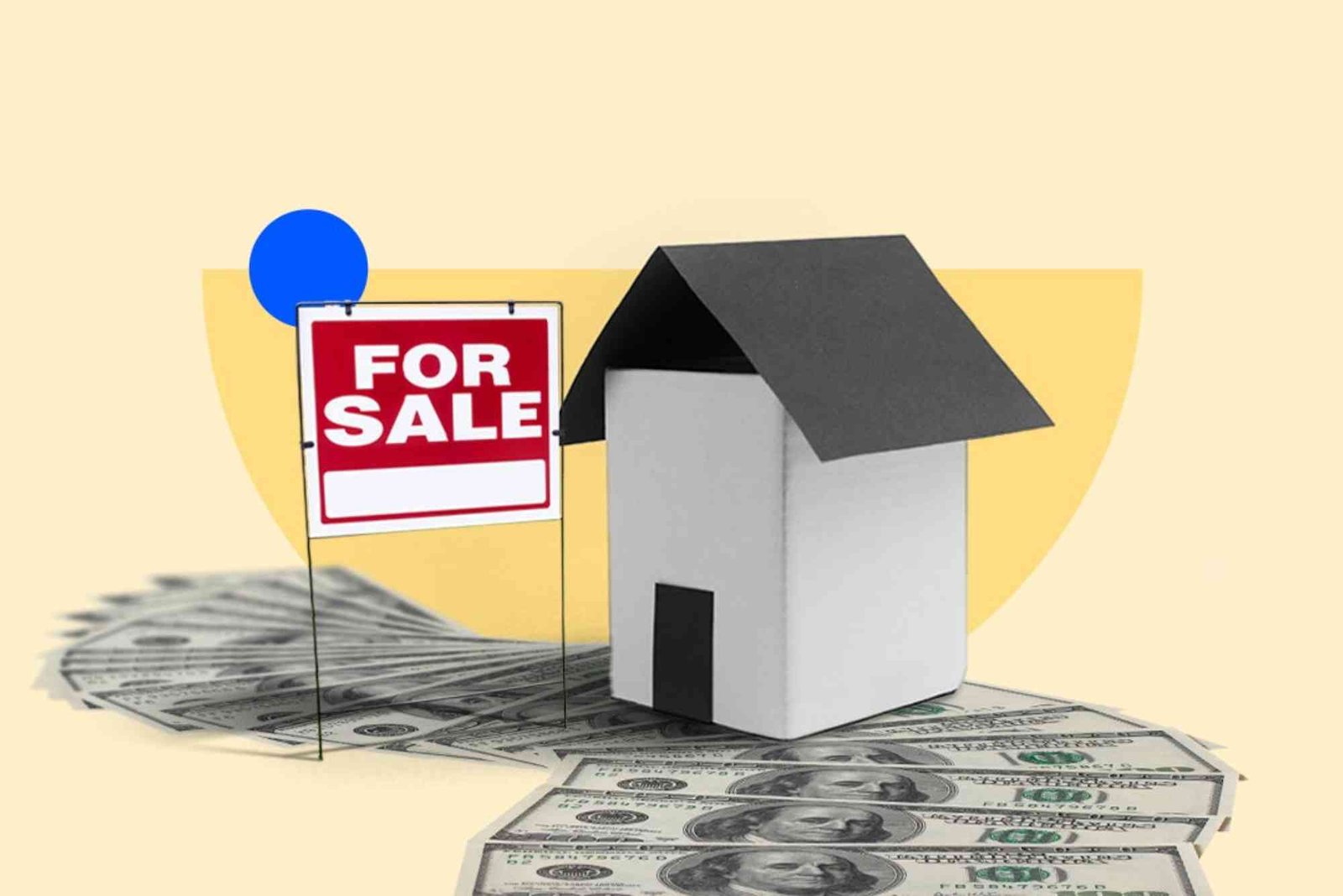
Investing in real estate can be highly profitable, especially when it comes to foreclosure properties. These properties are often priced below market value, offering investors a chance to maximize returns. However, purchasing foreclosures comes with its own set of challenges. From understanding the legal process to assessing property condition, investors must be well-prepared to make informed decisions. In this guide, we’ll break down actionable strategies for smart investors looking to navigate the foreclosure market successfully.
Understanding Foreclosure Properties
Before diving into purchases, it’s essential to understand what foreclosure properties are. A foreclosure occurs when a homeowner fails to make mortgage payments, leading the lender to repossess and sell the property. These sales can take place through auctions, bank-owned listings, or online platforms.


Foreclosures can offer excellent investment opportunities, but they require careful research. Unlike traditional home sales, these properties may have hidden liens or repair needs. Knowing the different types of foreclosure sales and how they operate will help you avoid costly mistakes.
Types of Foreclosure Sales
Foreclosure properties are typically sold in three ways. Public auctions allow anyone to bid, often resulting in quick transactions. Bank-owned properties, also called REO (Real Estate Owned), are managed by banks after unsuccessful auctions and usually require less competition. Short sales are another option where the lender approves a sale below the mortgage balance. Understanding each type helps investors choose the best strategy for their goals.
Steps to Purchase Foreclosure Properties
Research the Local Market
Successful foreclosure investing starts with market research. Identify areas with high foreclosure activity and strong resale potential. Study local property trends, neighborhood crime rates, and school districts. This research ensures you invest in areas where your property can appreciate. Tools like Zillow, RealtyTrac, and local county records can provide detailed insights into foreclosure trends.
Secure Financing Early
Financing foreclosure purchases can differ from traditional home buying. Some auctions require cash payments immediately, while bank-owned properties may allow mortgage financing. Getting pre-approved or securing lines of credit before bidding increases your credibility as a buyer and allows faster transactions. Investors often benefit from private lenders or hard money loans for faster access to funds.
Inspect the Property Thoroughly
Foreclosure properties are often sold “as-is,” meaning the bank or seller will not make repairs. Always schedule a professional inspection to identify structural damage, plumbing issues, or pest infestations. Factoring repair costs into your budget ensures a realistic investment plan and helps avoid unexpected losses.
Conduct Title Searches
A clear title is crucial for avoiding legal complications. Foreclosure properties may carry liens, unpaid taxes, or other claims. Hiring a title company to conduct a thorough search ensures the property is free of encumbrances. Resolving these issues before purchase protects your investment and avoids costly surprises.
Attend Auctions Confidently
Auction bidding requires strategy and preparation. Know the maximum amount you’re willing to pay, and stick to it. Attend auctions in person or online, and observe bidding patterns. Some auctions have hidden fees or require deposits upfront, so understanding the terms is essential. Confidence and preparation help you secure properties without overpaying.
Common Pitfalls and How to Avoid Them
Investing in foreclosures carries risks. One common mistake is underestimating repair costs. Many buyers focus solely on purchase price and ignore necessary renovations. Another risk is bidding on properties without proper research, leading to overpayment.
Additionally, some investors fail to account for market fluctuations. Foreclosed homes may take longer to sell, so having cash reserves or rental plans can mitigate financial risks. Finally, always be aware of legal obligations and paperwork requirements to avoid disputes or delays.
Tips for Maximizing Returns
To ensure profitable foreclosure investments, focus on long-term strategies. Renovating and flipping properties can yield significant returns if done smartly. Alternatively, holding and renting foreclosures in high-demand areas creates steady passive income. Networking with real estate agents specializing in foreclosures provides access to exclusive listings and insider knowledge.
Understanding local zoning laws and future development plans also enhances your investment strategy. Combining thorough research, careful budgeting, and strategic renovations ensures consistent profitability in the foreclosure market.
Real-Life Success Strategies
Many successful investors emphasize patience and due diligence. Rather than rushing to acquire every available property, focusing on high-potential investments leads to better outcomes. Collaborating with contractors, real estate attorneys, and financial advisors can streamline the purchasing process.
Some investors leverage foreclosure properties to diversify portfolios, balancing risk between short-term flips and long-term rental income. By following structured processes and avoiding impulsive decisions, foreclosure investing can become a reliable wealth-building tool.
Related Insights for Smart Investors
For investors exploring multiple opportunities, understanding related markets like cryptocurrencies can complement real estate strategies. Check out this Related Cryptocurrency article for insights on diversified investments.
You can also expand your knowledge on real estate principles and legal frameworks by visiting Learn more. Additionally, for step-by-step guides on foreclosure investing, see How to Purchase Foreclosure Properties: Tips for Smart Investors.
FAQs About Purchasing Foreclosure Properties
How do I find foreclosure properties?
You can search local MLS listings, bank-owned property websites, auction houses, and online platforms like RealtyTrac.
Are foreclosure homes cheaper than market value?
Often yes, but prices depend on location, property condition, and auction competition. Research ensures fair valuation.
Can I finance a foreclosure property?
Yes, some bank-owned foreclosures allow mortgages, but auction purchases often require cash or hard money loans.
What risks are associated with buying foreclosures?
Risks include hidden repairs, liens, market fluctuations, and lengthy resale times. Due diligence minimizes these risks.
Should beginners invest in foreclosures?
Yes, but it’s best to start with research, smaller investments, or partner with experienced investors to gain insights.
Purchasing foreclosure properties can be a lucrative strategy for smart investors. By conducting thorough research, securing proper financing, inspecting properties, and understanding auction processes, you increase your chances of success. Avoid common pitfalls, focus on long-term strategies, and leverage professional resources to maximize returns.