Introduction
Finding the perfect lipstick shade can feel like an impossible task with so many colors, formulas, and finishes on the market. The right shade can elevate your look, boost your confidence, and complement your overall style. Choosing a lipstick is more than just picking a color that looks good in the tube; it’s about understanding your skin tone, undertones, and personal style. In this guide, we will explore practical tips, expert advice, and insider secrets on how to choose the perfect lipstick shade that enhances your beauty naturally.
Understanding Your Skin Tone
The first step in selecting the perfect lipstick is knowing your skin tone. Skin tones are generally categorized into three main types: fair, medium, and deep. Each tone pairs differently with various lipstick shades, and understanding this can prevent mismatched colors that dull your natural beauty. People with fair skin often look vibrant in soft pinks, peaches, and nude shades. Medium skin tones have the flexibility to wear a wide range of colors, including rose, coral, and berry hues. Deep skin tones shine in bold reds, rich plums, and vibrant oranges. Recognizing your skin tone is crucial because it forms the foundation of your lipstick choices.
Determining Your Undertone
Alongside skin tone, undertones play a significant role. Undertones can be cool, warm, or neutral. Cool undertones usually have a pink, red, or bluish hue. Warm undertones carry golden, peach, or yellow hints, while neutral undertones blend both. You can check your undertone by observing the veins on your wrist, considering how your skin reacts to sun exposure, or noticing which jewelry complements your skin best. Understanding undertones ensures that the lipstick harmonizes with your complexion, enhancing your natural features rather than clashing with them.
Matching Lipstick to Your Skin Tone and Undertone
Once you know your skin tone and undertone, selecting the perfect lipstick shade becomes easier. Fair skin with cool undertones typically looks stunning in soft pinks, mauves, and classic reds with blue bases. Fair skin with warm undertones works well with coral, peach, and warm nude shades. Medium skin tones with cool undertones can carry berry, plum, and pink shades, while warm undertones favor peach, coral, and brick red colors. Deep skin tones with cool undertones shine in rich berries and wine shades, while warm undertones are complemented by vibrant oranges, reds, and chocolate hues. Matching lipstick to your undertone is key to creating a cohesive and flattering makeup look.
Considering Lipstick Formulas and Finishes
Lipstick formulas and finishes can drastically impact how a shade appears on your lips. Matte lipsticks offer a bold, long-lasting look but may emphasize dryness. Satin or cream formulas provide a softer, more natural finish with moderate hydration. Glossy finishes reflect light, making lips appear fuller and youthful, but often require frequent touch-ups. Understanding your personal preference, lifestyle, and comfort with different formulas will help you choose a shade that not only complements your skin but also fits your daily routine.
How to Test Lipstick Shades
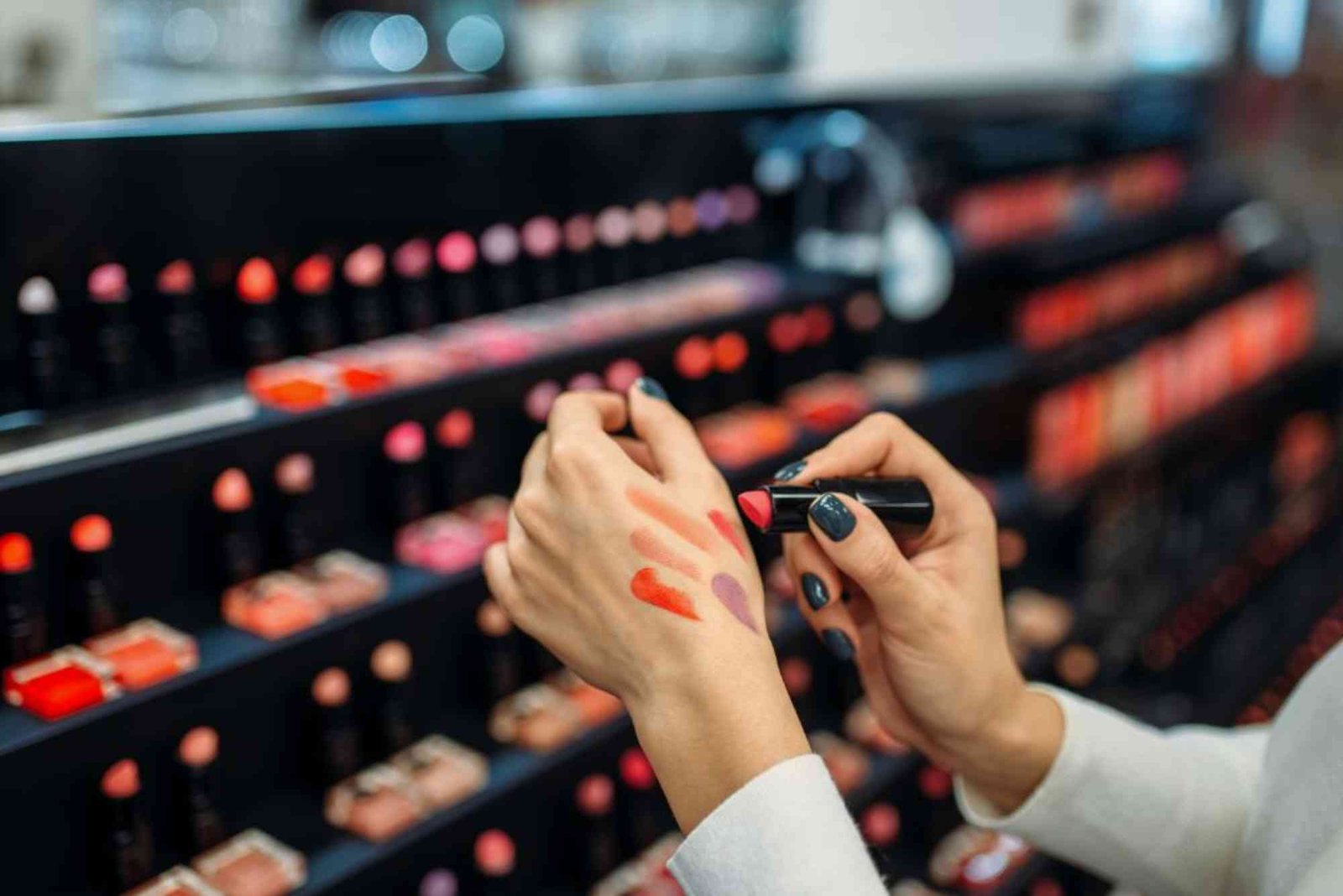
Testing lipstick properly is essential to ensure it suits you. Instead of swatching on your hand, try applying the lipstick directly to your lips under natural light. This gives an accurate representation of how the color interacts with your skin tone and undertone. Additionally, consider how the lipstick pairs with your makeup style and wardrobe. A color that works with a casual daytime look may differ from one meant for an evening event. Testing in natural light and in context with your overall appearance helps you make an informed choice.
Matching Lipstick to Occasions
The perfect lipstick shade can also depend on the occasion. For professional settings, muted nudes, soft pinks, and classic reds convey sophistication without being overpowering. Social events and evenings provide an opportunity to experiment with bold reds, plums, and vibrant shades that make a statement. Casual daywear often benefits from natural and versatile tones, such as peach, rose, or subtle coral. Considering the occasion ensures that your lipstick enhances your look without overshadowing your overall appearance.
Pairing Lipstick with Makeup and Outfit
Lipstick doesn’t exist in isolation; it works best when harmonized with your entire look. For example, a bold red lipstick pairs beautifully with minimal eye makeup, while neutral shades complement dramatic eyes. Matching your lipstick to your outfit can also create a balanced and polished appearance. Coordinating color palettes, contrasting tones, or complementary shades can help tie your look together effortlessly. Being mindful of this harmony allows your lipstick to serve as the perfect finishing touch.
Exploring Trends Without Sacrificing Personal Style
While trends in lipstick shades are constantly evolving, personal style should always take precedence. Fashion magazines and beauty influencers may highlight bold purples, neon oranges, or unusual browns, but not every trend suits every person. When experimenting with trends, consider your undertone, skin tone, and comfort level. Incorporating trendy shades gradually, like through lip liners, glosses, or layering with familiar colors, can give you a fresh look without straying too far from what naturally suits you. This approach ensures that you remain stylish while staying true to your beauty signature.
Long-Lasting Lipstick Tips
Once you choose the perfect shade, maximizing its wear time is essential. Start by exfoliating your lips to remove dryness or flakiness, then apply a lip balm for hydration. Using a lip liner helps define the shape and prevents feathering. Layering lipstick and blotting with tissue can also improve longevity. For matte formulas, applying a thin layer and building intensity gradually ensures a smooth, long-lasting finish. These small techniques can make even the most challenging shades stay vibrant throughout the day.
Common Mistakes to Avoid
Choosing lipstick might seem simple, but there are common pitfalls. One mistake is picking a shade based solely on packaging or popularity. Another is ignoring undertones, which can lead to colors that appear harsh or unnatural. Overlooking lip care, such as applying lipstick on dry, chapped lips, can also affect the appearance. Avoiding these errors and considering your skin tone, undertones, and lip condition can prevent disappointment and help you select shades that truly enhance your beauty.
Choosing the perfect lipstick shade is a combination of understanding your skin tone, undertones, preferences, and occasion. By testing shades under natural light, considering formulas, and pairing colors with your makeup and wardrobe, you can confidently find lipstick shades that enhance your appearance and reflect your personality. Lipstick is not just makeup; it is a tool for self-expression, confidence, and style. Take your time experimenting, and soon you will master the art of selecting shades that make you feel and look your best. Don’t settle for less—embrace your beauty and explore the endless possibilities that the perfect lipstick can offer. Enhance your style today by discovering your signature shade and let your lips do the talking.
FAQ
How do I know which lipstick shade suits my skin tone?
Check your undertones, observe which shades complement your complexion, and test colors in natural light. Cool undertones suit pinks and berries, while warm undertones look great in corals and reds.
Can I wear bold lipstick with fair skin?
Absolutely. Bold shades like classic reds or deep berries can create a striking look. Balance with minimal eye makeup for a polished appearance.
Does lipstick color depend on the season?
While trends shift with seasons, personal skin tone and style matter more. Light shades work for spring/summer, and deep, rich colors enhance fall/winter outfits.
How do I make lipstick last longer?
Exfoliate lips, apply balm, use a lip liner, layer lipstick, and blot between applications. Matte formulas often last longer than glossy ones.
Can I mix lipstick shades?
Yes, layering or mixing shades can create custom colors that suit your skin tone and style, offering versatility and a unique look.