
Introduction
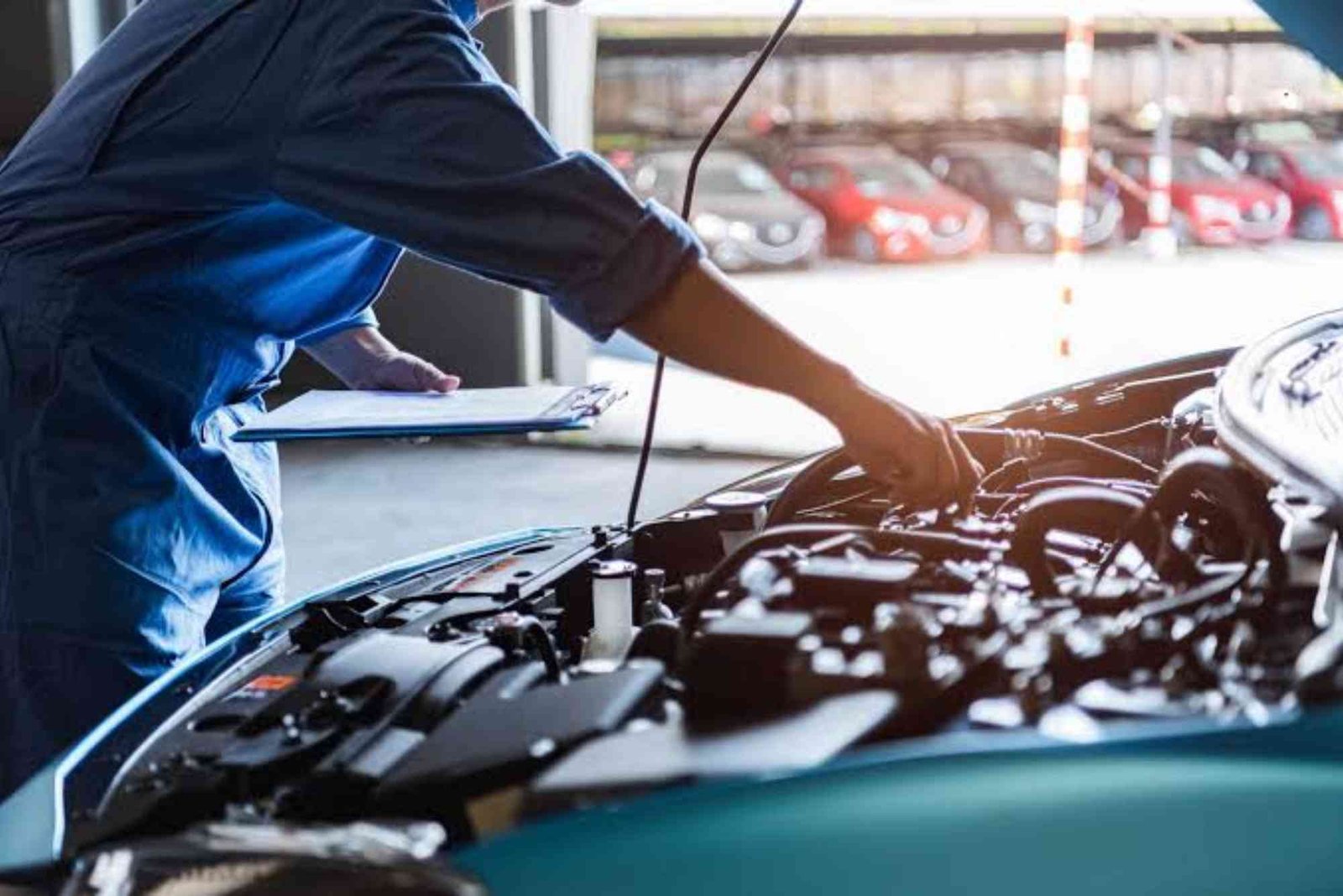
Learning how to extend the life of your automobile engine can save you money and prevent unexpected breakdowns. Your engine is one of the most important and expensive parts of your vehicle. It works under high temperatures, pressure, and constant mechanical stress.
However, engine longevity does not depend on luck alone. Proper maintenance, sensible driving, quality fluids, and early problem detection can make a major difference. Many engine failures develop gradually because small problems are ignored for too long.
A good maintenance routine helps reduce unnecessary wear and keeps the engine operating efficiently. Therefore, understanding the right care practices is essential for every automobile owner.
Follow the Manufacturer’s Maintenance Schedule
One of the most effective ways to extend engine life is following the maintenance schedule provided by the manufacturer. Every engine has specific service requirements based on its design, fuel system, oil specification, and operating conditions.
Your owner’s manual provides important information about oil changes, filter replacement, coolant service, spark plugs, belts, and other maintenance requirements. These recommendations are designed around the specific needs of your vehicle.
Skipping scheduled maintenance may appear to save money temporarily. However, neglected maintenance can allow minor issues to become expensive mechanical failures. Following the recommended schedule is therefore one of the simplest answers to how to extend the life of your automobile engine.
Change Engine Oil on Time
Engine oil is often described as the lifeblood of an engine. It lubricates moving components and helps control friction and heat. Over time, oil becomes contaminated and its protective properties can decline.
Changing the oil according to your manufacturer’s recommended interval helps maintain proper lubrication. Always use the oil grade and specification recommended for your particular engine.
Do not rely only on mileage when deciding when oil service is required. Driving conditions also matter. Frequent short trips, heavy traffic, dusty environments, towing, and extreme temperatures can place additional demands on engine oil.
It is also wise to check your oil level regularly. A low oil level can reduce lubrication and increase friction between internal components. If you notice that your engine repeatedly loses oil, have the cause inspected rather than simply adding oil.
Keep the Cooling System Healthy
Excessive heat is one of the major threats to engine durability. The cooling system helps keep engine temperatures within the proper operating range. It includes components such as the radiator, thermostat, water pump, cooling fans, hoses, and coolant.
Check the coolant level when the engine is cold and follow the manufacturer’s instructions for coolant replacement. Never open a hot cooling system because pressurized coolant can cause serious burns.
Pay attention to temperature warnings and changes in the temperature gauge. An overheating engine should never be ignored. Continuing to drive while the engine is overheating can cause severe damage to gaskets, cylinder heads, and other internal components.
Keeping the cooling system properly maintained is an essential part of how to extend the life of your automobile engine.
Replace Air and Fuel Filters When Needed
Clean air is essential for efficient engine combustion. The air filter prevents dust, dirt, and other particles from entering the engine. A heavily restricted filter can reduce airflow and affect engine performance.
The correct replacement interval depends on your vehicle and driving environment. Vehicles operating in dusty areas may require more frequent inspection and replacement.
Fuel filtration is also important because contaminants can affect fuel-system components and engine operation. Follow the manufacturer’s service recommendations for fuel filters and related components.
Although filters are relatively inexpensive compared with major engine repairs, neglecting them can affect efficiency and reliability over time.
Develop Better Driving Habits
The way you drive can have a significant effect on engine longevity. Aggressive acceleration, excessive engine speeds, and repeated hard driving can increase heat and mechanical stress.
This does not mean you must drive extremely slowly. Instead, use smooth and controlled acceleration whenever practical. Avoid repeatedly pushing the engine to high RPM when it is unnecessary.
Cold engines deserve particular attention. Engine oil needs time to circulate and reach its normal operating conditions. Instead of immediately demanding high performance from a cold engine, drive gently until it reaches normal temperature.
Modern vehicles generally do not require long periods of stationary idling to warm up. Gentle driving after startup is usually more appropriate than extended idling.
Avoid Excessive Short Trips
Frequent short journeys can be harder on an engine than many drivers realize. When an engine repeatedly starts cold and stops before reaching normal operating temperature, moisture and other contaminants may accumulate in the oil.
Short trips also mean the engine spends a greater proportion of its operating time during warm-up. Whenever practical, combining several short errands into one longer trip can reduce unnecessary cold starts.
This does not mean short journeys will automatically damage your engine. Modern engines are designed to handle normal daily use. However, vehicles used almost exclusively for very short trips may benefit from more attentive maintenance.
Use the Correct Fuel and Fluids
Using the correct fuel is another important aspect of engine care. Always follow the fuel requirements specified by your vehicle manufacturer. Using the wrong fuel can affect combustion, performance, and emissions systems.
Other fluids also deserve attention. Coolant, transmission fluid, brake fluid, and other lubricants have different purposes and specifications. Never assume that two fluids are interchangeable simply because they look similar.
Using the correct products helps maintain the systems that support engine operation. When replacing fluids, follow the manufacturer’s specifications instead of relying on generic recommendations.
Pay Attention to Warning Signs
Your automobile often provides warning signs before a major engine problem occurs. Learning to recognize these signs can help you address problems before they become more expensive.
Unusual knocking, ticking, grinding, excessive smoke, rough idling, loss of power, or unusual smells should receive attention. Changes in fuel economy can also indicate that something is not operating correctly.
Dashboard warning lights should never be ignored. A check engine light can have many causes, ranging from relatively minor faults to serious engine problems.
Early diagnosis is usually better than waiting for a problem to become severe. If something feels or sounds different, have the vehicle inspected by a qualified technician.
Inspect Belts, Hoses, and Spark Plugs
Engine longevity depends on more than oil and coolant. Supporting components also need regular inspection. Belts and hoses can deteriorate because of heat, age, and exposure to engine fluids.
A damaged belt can affect critical engine accessories. In some engines, timing system failure can result in serious internal damage. Therefore, timing belt replacement should always follow the manufacturer’s specified interval when applicable.
Spark plugs are also important in gasoline engines. Worn or incorrectly specified plugs can contribute to misfires, poor combustion, and reduced performance.
Replacing these components at the correct time helps maintain smooth and efficient engine operation.
Do Not Ignore Oil or Coolant Leaks
Leaks should never be treated as harmless. A small oil leak can gradually reduce the engine’s oil level. A coolant leak can eventually lead to overheating.
Look underneath your vehicle for unusual fluid spots. Also check the engine compartment for visible signs of leakage, residue, or damaged hoses.
If fluid levels repeatedly fall, determine why. Simply topping up fluids without addressing the underlying leak may allow the problem to continue.
Professional inspection can identify leaking seals, hoses, gaskets, or other damaged components. Early repair is often much less expensive than repairing an engine damaged by low oil or overheating.
Keep the Engine Clean Without Overdoing It
Keeping the engine compartment reasonably clean can make leaks and damaged components easier to identify. Dirt and oil deposits can sometimes hide signs of mechanical problems.
However, engine cleaning should be performed carefully. High-pressure water around electrical connections, sensors, and other sensitive components can cause problems.
Instead of focusing on making the engine compartment look perfect, focus on maintaining a clean and inspectable environment. More importantly, repair oil and coolant leaks rather than repeatedly cleaning their residue.
Give Turbocharged Engines Extra Care
Turbocharged engines can produce impressive performance from relatively small engine sizes. However, their turbocharging systems operate at high temperatures and speeds.
Owners should follow the manufacturer’s oil specifications particularly carefully. Turbocharged engines can be sensitive to oil quality and proper lubrication.
After sustained high-load driving, allowing the vehicle to return to normal operating conditions before shutting down can be beneficial, depending on the manufacturer’s recommendations. Avoid unnecessary hard acceleration when the engine is cold.
Regular servicing is especially important for turbocharged vehicles because their engines and supporting systems can operate under substantial thermal and mechanical loads.
Choose a Qualified Repair Professional
Good maintenance depends on accurate diagnosis and proper repairs. When an engine problem appears, choose a technician who understands your vehicle’s specific make and engine design.
A qualified professional can use appropriate diagnostic equipment and follow the manufacturer’s repair procedures. This becomes particularly important for modern vehicles because engines contain sophisticated electronic controls and sensors.
Avoid replacing expensive components simply because they appear related to a symptom. Proper diagnosis should identify the underlying cause before major parts are replaced.
Maintain Complete Service Records
Keeping service records is a simple habit that supports long-term vehicle ownership. Record oil changes, filter replacements, coolant services, repairs, and other significant maintenance work.
These records help you understand when future services are due. They can also help technicians identify maintenance patterns and previous repairs.
Complete records are particularly valuable when purchasing or selling a used vehicle. They demonstrate that the automobile has received consistent care.
How to Extend the Life of Your Automobile Engine in Daily Use
The best approach is consistency. You do not need complicated techniques or expensive products to protect your engine.
Check important fluid levels, follow service intervals, use the correct oil, and pay attention to warning signs. Drive smoothly and avoid unnecessary mechanical stress.
Most importantly, deal with small problems promptly. A minor leak or unusual noise can sometimes be corrected before it develops into major engine damage.
When drivers consistently follow these principles, they create better conditions for long-term engine reliability and performance.
Conclusion
Understanding how to extend the life of your automobile engine starts with simple habits and consistent maintenance. Regular oil changes, proper cooling-system care, clean filters, sensible driving, and timely repairs all contribute to engine longevity.
Discover the Best Automobile Upgrades That Improve Driving Experience and make every journey safer, smoother, and more enjoyable. From advanced infotainment systems and premium lighting to better tires, upgraded suspension, and comfortable interiors, the right improvements can enhance your vehicle’s performance, convenience, and overall driving comfort.
Frequently Asked Questions
How can I extend the life of my automobile engine?
Regular maintenance is the most effective approach. Change the engine oil on schedule, maintain correct fluid levels, replace filters when required, and address warning signs quickly. Smooth driving and following the manufacturer’s service recommendations can also reduce unnecessary engine wear.
What makes a car engine last longer?
Consistent maintenance, proper lubrication, good cooling-system condition, clean filters, and sensible driving habits all support engine longevity. Avoiding neglected repairs is equally important because small mechanical problems can develop into serious failures.
How often should I change my engine oil?
There is no single interval that applies to every vehicle. The correct interval depends on the engine, oil specification, vehicle design, and driving conditions. Always check your owner’s manual for the manufacturer’s recommended service interval.
How long can a car engine last?
Engine lifespan varies significantly depending on vehicle design, maintenance, mileage, operating conditions, and driving habits. Some engines can accumulate very high mileage when properly maintained, but there is no guaranteed lifespan for every engine.
Does driving fast damage your engine?
Driving at high speed does not automatically damage an engine. However, sustained high RPM, aggressive acceleration, heavy loads, and high operating temperatures can increase mechanical and thermal stress. Smooth driving and proper maintenance help reduce unnecessary wear.
What are the signs of a weak engine?
Common warning signs can include unusual noises, loss of power, rough running, increased fuel consumption, smoke, stalling, unusual smells, or an illuminated check engine light. These symptoms should be diagnosed promptly rather than ignored.