Introduction
Crawl spaces are often overlooked areas of a home, but they play a crucial role in maintaining structural integrity and indoor air quality. Moisture in crawl spaces can lead to mold, wood rot, and poor air circulation, creating long-term damage if not addressed. Understanding the Cost Of Waterproofing A Crawl Space is essential for homeowners planning renovations or preventative maintenance. This guide will explore the costs involved, the methods used, and factors that influence pricing, helping you make informed decisions.
Why Crawl Space Waterproofing Matters
Crawl spaces, by design, are close to the ground and prone to water accumulation, especially during rainy seasons or in areas with high groundwater levels. Without proper waterproofing, the moisture can seep into the home, leading to structural damage and health hazards from mold growth. Waterproofing a crawl space not only preserves the foundation but also improves energy efficiency by maintaining consistent humidity levels.
Health and Safety Benefits
Moist crawl spaces are breeding grounds for mold and bacteria, which can aggravate allergies and respiratory problems. Effective waterproofing reduces these risks, creating a healthier living environment.
Home Value and Longevity
Investing in crawl space waterproofing protects your home’s structure, preventing costly repairs and preserving property value. Buyers are more likely to invest in a home with a dry, well-maintained crawl space.
Factors Affecting the Cost Of Waterproofing A Crawl Space
Several variables determine the overall expense of waterproofing a crawl space. Understanding these factors helps homeowners anticipate costs and select the right solution.
Size of the Crawl Space
Larger crawl spaces require more materials and labor, directly increasing costs. Small spaces may need minimal intervention, while extensive areas may demand comprehensive solutions.
Moisture Level and Existing Damage
Homes with severe water problems or existing mold and rot require more intensive treatments, increasing the price. Pre-existing structural damage may necessitate repairs before waterproofing.
Type of Waterproofing System
Crawl space waterproofing can involve interior or exterior solutions, each with different costs: interior systems include sump pumps, vapor barriers, and dehumidifiers, whereas exterior systems may involve excavation and drainage installation.
Accessibility
Crawl spaces that are difficult to access can increase labor costs. Tight spaces, low ceilings, or obstructed areas require specialized tools and more time.
Materials and Labor Costs
The quality of materials such as high-grade vapor barriers, sealants, and pumps impacts the total cost. Labor rates vary depending on location, expertise, and the complexity of the installation.
Common Crawl Space Waterproofing Methods
Understanding the methods used can clarify why costs vary and help homeowners choose the right approach for their property.
Vapor Barriers
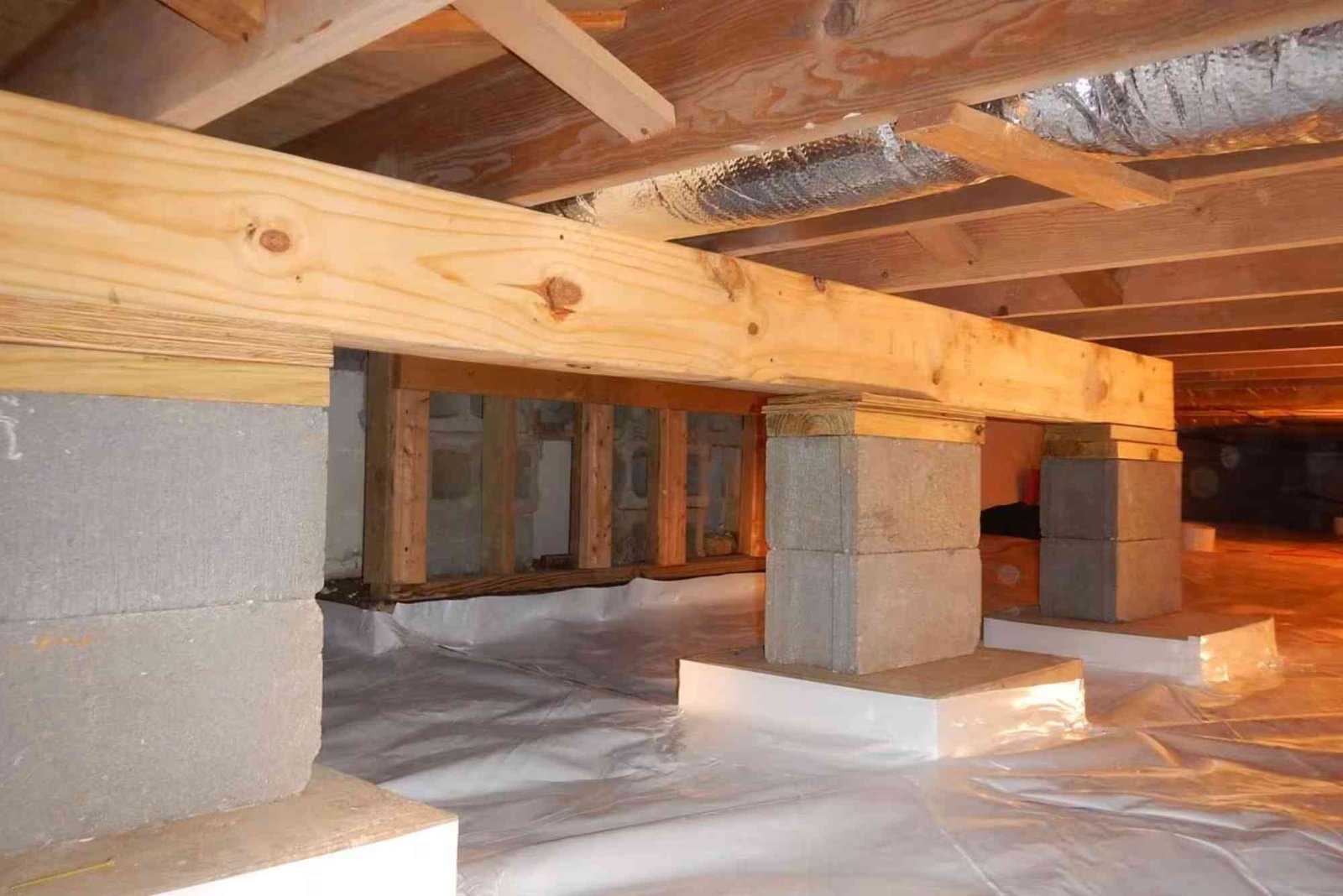
Installing a thick polyethylene barrier over the soil in the crawl space prevents moisture from rising into the home. This is a cost-effective solution that addresses moderate dampness and is commonly used in conjunction with other systems.
Drainage Systems
Interior drainage systems redirect water to a sump pump or drainage pipe, efficiently removing excess moisture. Exterior drainage involves excavating around the foundation and installing channels to prevent water accumulation. These solutions are more expensive but highly effective.
Sump Pumps
Sump pumps are installed to remove water that accumulates in the crawl space. They are essential for homes with high water tables or frequent flooding. Pump installation adds to the overall Cost Of Waterproofing A Crawl Space but ensures long-term protection.
Dehumidifiers
Crawl space dehumidifiers maintain optimal humidity levels, preventing mold growth and wood decay. This method works well for moderate moisture problems but may need to be combined with barriers or drainage systems for complete protection.
Sealing and Insulation
Sealing vents, walls, and floors prevents air and moisture infiltration. Proper insulation helps regulate temperature and humidity, contributing to energy savings while reducing moisture-related risks.
Average Cost Of Waterproofing A Crawl Space
The cost varies widely based on the factors mentioned above. On average, homeowners can expect to pay between $2,000 to $10,000 for complete crawl space waterproofing. Basic solutions like vapor barriers may cost $2,000–$5,000, while comprehensive systems involving drainage, pumps, and insulation can reach $8,000–$10,000 or more. Regional labor rates and material choices play a significant role in these estimates.
Cost Breakdown
Vapor barrier installation: $1,500–$3,000
Sump pump installation: $1,000–$3,000
Interior drainage system: $3,000–$8,000
Exterior waterproofing: $7,000–$12,000
Dehumidifier: $500–$2,000
Investing in quality waterproofing prevents more costly repairs down the line, making it a practical and financially sound decision.
Tips to Reduce Crawl Space Waterproofing Costs
Homeowners can manage expenses without compromising on effectiveness. Regular maintenance, proactive moisture monitoring, and combining solutions strategically can reduce long-term costs. Address minor leaks early, inspect sump pumps regularly, and ensure drainage systems remain unobstructed. Choosing local contractors with experience in crawl space waterproofing can also optimize costs and quality.
How to Choose the Right Contractor
Selecting the right professional ensures proper installation and long-term effectiveness. Look for licensed contractors with proven experience in crawl space waterproofing. Request multiple quotes, check reviews, and verify warranty options. Discuss materials, installation methods, and maintenance plans to make an informed choice.
Signs Your Crawl Space Needs Waterproofing
Detecting early signs can save money and prevent structural damage. Common indicators include musty odors, visible mold, wood rot, standing water, and elevated humidity levels. Regular inspections, particularly after heavy rain, can identify problems before they escalate.
Maintenance After Waterproofing
Waterproofing is not a one-time task. Regular inspections, cleaning, and maintenance of sump pumps, dehumidifiers, and barriers are essential. Ensure drainage channels remain clear, check for leaks, and monitor humidity levels seasonally. Proactive maintenance extends the lifespan of your waterproofing investment.
Understanding the Cost Of Waterproofing A Crawl Space is vital for protecting your home from moisture-related damage. While expenses vary, investing in professional solutions ensures long-term safety, energy efficiency, and property value. Proper planning, choosing the right method, and regular maintenance make waterproofing a worthwhile investment. Protect your home today and avoid costly repairs tomorrow. For expert guidance, check out this Related Blog article. If you want to explore detailed options for your home, Learn more. For more tips on crawl space maintenance and professional guidance, explore our Cost Of Waterproofing A Crawl Space.
FAQs
How much does it cost to waterproof a crawl space?
The average cost ranges from $2,000 to $10,000 depending on the size, moisture levels, and waterproofing method.
Do I need a professional for crawl space waterproofing?
Yes, professionals ensure proper installation, long-term effectiveness, and warranty coverage.
How long does crawl space waterproofing last?
With proper maintenance, a well-installed system can last 10–15 years or longer.
Can I do crawl space waterproofing myself?
Simple vapor barriers can be DIY, but sump pumps and drainage systems are best installed by professionals.
Does crawl space waterproofing increase home value?
Yes, a dry crawl space improves structural integrity and energy efficiency, which can increase property value.