Introduction
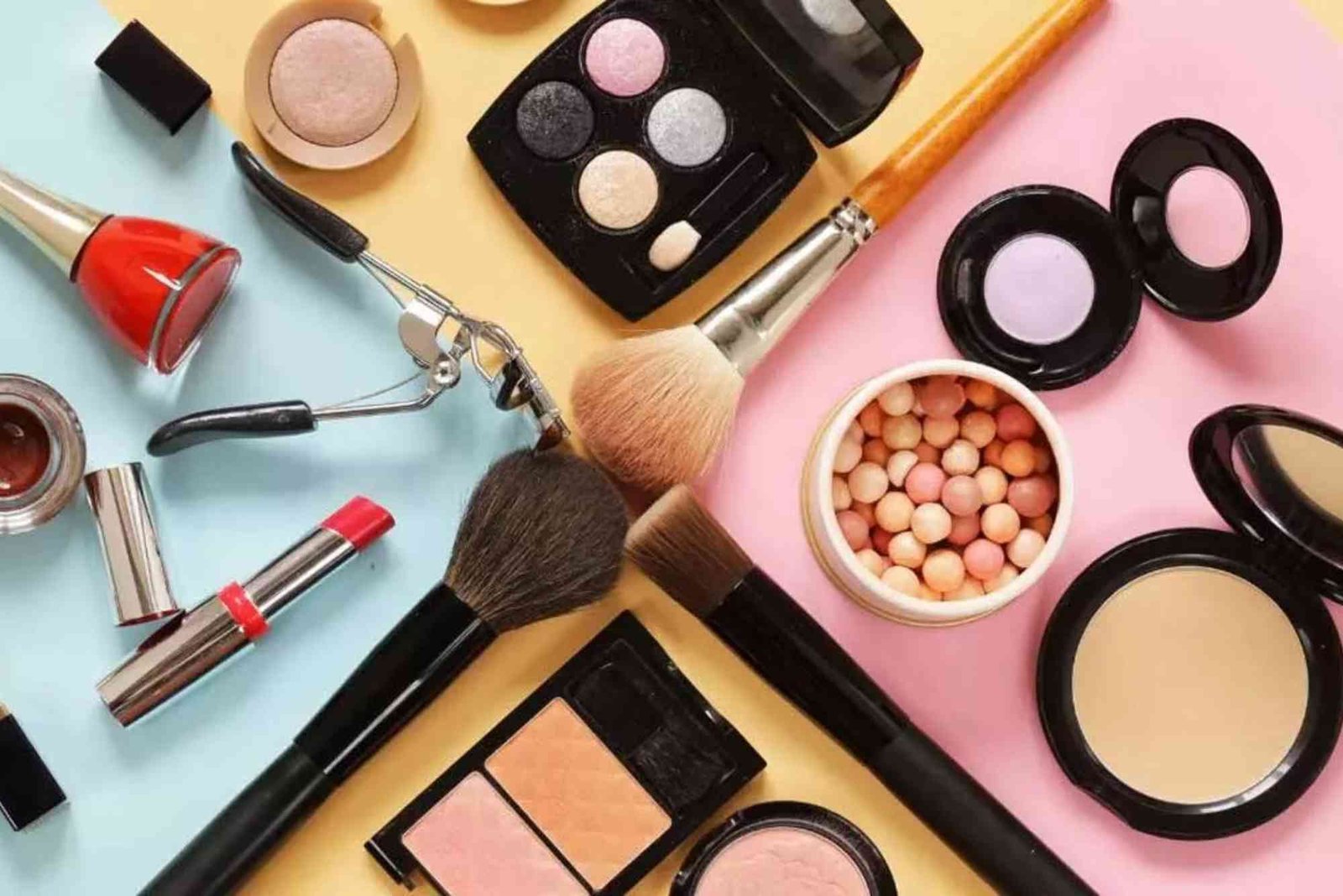
Starting your makeup journey can feel overwhelming. With countless products, brushes, and tools on the market, knowing where to begin is essential. The right tools not only make applying makeup easier but also ensure a flawless, professional finish. Understanding essential makeup tools every beginner needs will save time, money, and frustration while helping you master basic techniques.
Understanding the Basics of Makeup Tools
Before diving into specific items, it’s important to understand why makeup tools matter. While fingers can sometimes do the trick, brushes and sponges provide precision and even application. They also prevent contamination and allow products to blend seamlessly. Investing in high-quality tools from the start sets the foundation for building a professional-looking routine.
Why Beginners Should Focus on Tools
Beginners often make the mistake of buying too many products without having the right tools. Even the most expensive foundation or eyeshadow will not look polished without proper application. Tools help beginners:
Achieve even coverage
Blend products smoothly
Save product from waste
Reduce mistakes and smudges
By starting with a carefully curated collection of tools, beginners can practice efficiently and see immediate improvements in their makeup skills.
Key Makeup Brushes for Every Beginner
Brushes are the cornerstone of any makeup kit. They come in various shapes and sizes, each serving a specific purpose. Beginners should prioritize multi-purpose brushes that can handle several tasks.
Foundation Brush
A foundation brush is ideal for applying liquid or cream foundations. It ensures smooth coverage without streaks. Beginners often struggle with blending fingers or sponges, making a foundation brush a more forgiving choice.
Concealer Brush
A small, precise concealer brush helps target blemishes, under-eye circles, and imperfections. Its firm bristles allow controlled application, avoiding excessive product buildup that can look cakey.
Powder Brush
A soft, fluffy powder brush is essential for setting makeup. It helps distribute loose or pressed powder evenly, preventing patchy areas. Beginners will appreciate how it gives a natural, airbrushed finish.
Blush and Contour Brushes
For blush, a medium-sized angled brush adds a natural flush to the cheeks. Contour brushes with slightly denser bristles make sculpting the face easier. Choosing brushes with soft edges ensures beginners can blend without harsh lines.
Eyeshadow Brushes
Eyeshadow brushes come in multiple types, but beginners should focus on a flat shader brush for applying color and a blending brush for seamless transitions. Good eyeshadow brushes prevent harsh edges and make creating eye looks simpler.
Essential Sponges and Applicators
Sponges and applicators complement brushes by offering smooth, streak-free finishes. They are particularly useful for cream and liquid products.
Makeup Sponge
A high-quality makeup sponge is versatile, ideal for foundation, concealer, and cream blush. Its ability to absorb minimal product ensures even coverage and a natural look. Beginners should choose a sponge with a pointed tip for precise areas and a rounded side for larger areas.
Powder Puff
While often overlooked, a powder puff helps set foundation without disturbing previous layers. It’s particularly useful for touch-ups throughout the day and reduces the risk of caking.
Tools for Eyes and Brows
Well-defined eyes and brows can elevate any makeup look. Beginners should focus on tools that enhance precision and control.
Eyelash Curler
An eyelash curler is essential for opening the eyes and creating a lifted appearance. Curling lashes before mascara application makes the eyes look bigger and brighter.
Brow Brush and Spoolie
A spoolie brush helps tame and shape eyebrows, while a small angled brush allows for filling sparse areas with brow powder or pomade. Using these tools helps beginners achieve natural, symmetrical brows.
Tweezers
Tweezers are a beginner’s best friend for shaping brows and removing stray hairs. Well-groomed brows frame the face and provide a polished finish.
Lip Tools Beginners Should Have
Even basic lip makeup looks better with proper tools. They allow precise application and prevent smudging.
Lip Brush
A lip brush provides precision when applying lipstick, especially darker or bold shades. Beginners benefit from the control it offers, ensuring clean edges.
Lip Liner
While technically a product, lip liner works like a tool for defining lips. Beginners should pair it with a lip brush to create perfectly shaped lips that last longer.
Multi-Purpose Tools That Save Time
For beginners, multi-purpose tools are game-changers. These tools reduce clutter and simplify routines.
Dual-Ended Brushes
Dual-ended brushes combine multiple functions, such as a brush for eyeshadow on one end and blending on the other. They are perfect for beginners who want versatility without buying too many brushes.
Pencil Sharpener
A sharpener designed for eyeliner and lip pencils ensures precision and prevents frustration from broken or dull products. Beginners often overlook this, but it’s essential for neat application.
Compact Mirror with Magnification
A mirror with magnification is a must for applying eyeliner, mascara, and detailed work. It helps beginners spot imperfections and apply makeup accurately, even in small spaces.
Caring for Your Makeup Tools
Buying the right tools is only the first step. Proper maintenance ensures they last longer and remain hygienic.
Cleaning Brushes and Sponges
Regular cleaning prevents bacteria buildup and ensures smooth application. Beginners should wash brushes weekly with mild soap and water, and sponges should be cleaned after each use.
Storage Solutions
Proper storage prevents damage and contamination. Keep brushes upright in a holder and sponges in a breathable container. Avoid tossing them in drawers where bristles can bend or break.
How to Choose the Right Tools
Not all makeup tools are created equal. Beginners should focus on quality over quantity. Look for soft, densely packed bristles for brushes, durable sponges, and ergonomic handles. Investing in fewer high-quality tools is better than buying a large set of cheap, ineffective items.
Tips for Budget-Friendly Options
Beginners can find affordable, quality tools without compromising performance. Look for reputable drugstore brands or starter kits that include multi-purpose brushes. Reading reviews and testing products in-store can prevent unnecessary purchases.
Avoiding Common Beginner Mistakes
Even with the right tools, beginners often make mistakes that hinder results.
Using the wrong brush for a product can create streaks or patchiness.
Overloading a sponge can waste product and create cakiness.
Neglecting tool cleaning can lead to breakouts or uneven application.
Understanding these pitfalls helps beginners maximize their tools’ potential and improve technique quickly.
The Role of Practice and Patience
Learning makeup is a skill, and tools make the journey smoother. Beginners should practice daily or a few times per week, experimenting with different tools to see what works best. Over time, confidence grows, and the process becomes faster and more intuitive.
Mastering makeup begins with the right tools. By understanding essential makeup tools every beginner needs, anyone can achieve a polished and professional look. Start with versatile brushes, sponges, and precision tools, maintain them properly, and practice regularly. With these basics, your makeup routine becomes efficient, enjoyable, and successful.
Ready to elevate your makeup game? Invest in quality tools today and unlock your full beauty potential.
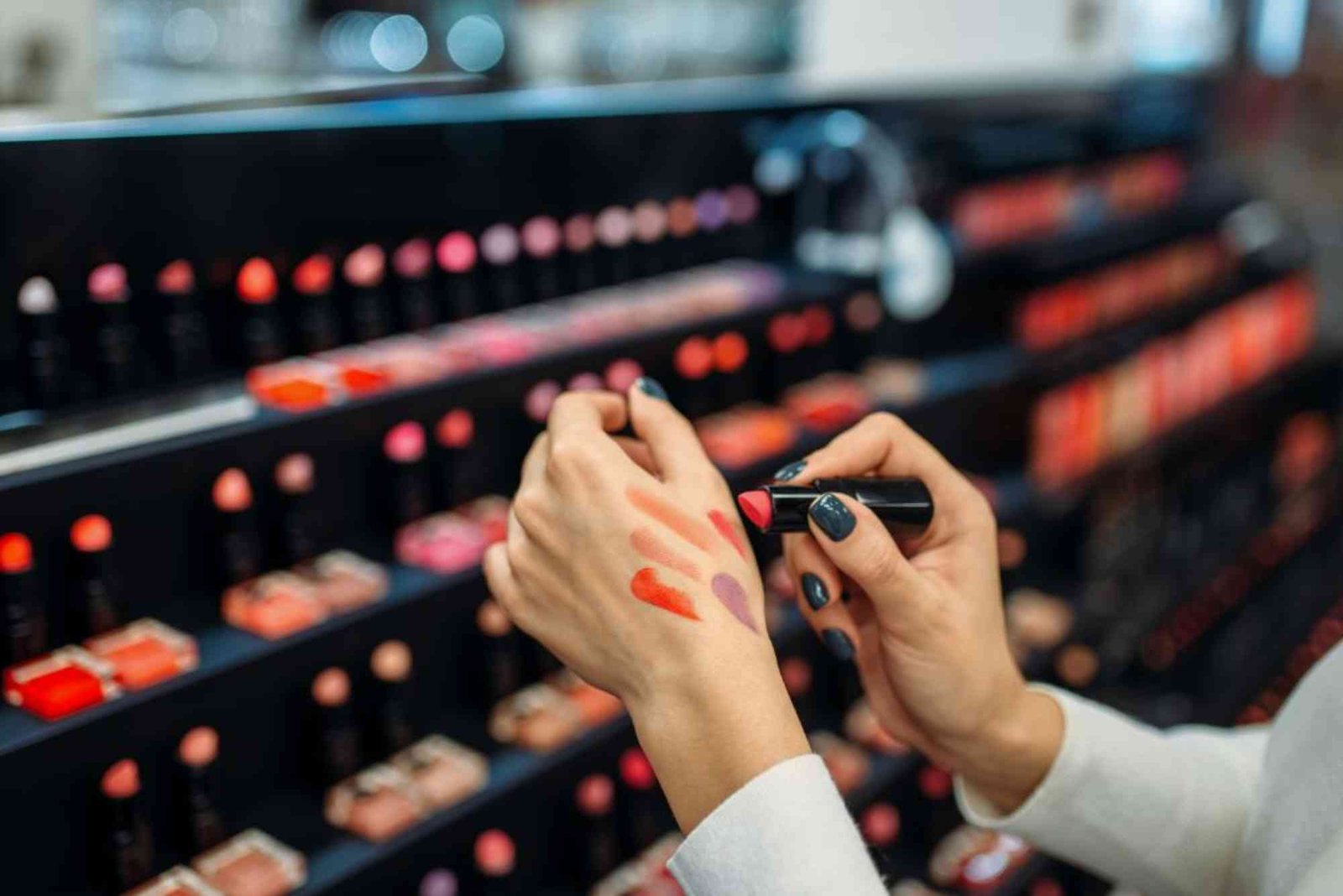
Finding the perfect lipstick shade can transform your entire look. Start by identifying your skin undertone—cool, warm, or neutral—and match it with complementary lipstick colors. Consider the occasion, outfit, and finish, whether matte, satin, or glossy. Test shades in natural light and don’t hesitate to experiment. The right lipstick enhances your features and boosts confidence. Learn more tips here: How to Choose the Perfect Lipstick Shade.
FAQ
What are the must-have brushes for beginners?
A foundation brush, powder brush, blush/contour brush, and basic eyeshadow brushes are essential for starting out.
Do I really need a makeup sponge?
Yes, a sponge ensures smooth, streak-free application, especially for liquid or cream products.
How often should I clean my makeup tools?
Brushes should be cleaned weekly, while sponges should be cleaned after each use to maintain hygiene.
Can beginners achieve professional results with basic tools?
Absolutely. Quality tools and proper technique allow beginners to create polished, professional looks.
Are multi-purpose tools worth it for beginners?
Yes. They save money, reduce clutter, and provide versatility as you learn different techniques.