Introduction
Lighting is one of the most powerful tools in interior design. It can transform a dull room into a warm, stylish, and inviting space. Many people focus only on furniture and colors, but lighting plays an equally important role in home aesthetics. Understanding how to use lighting in home decoration effectively helps you control mood, highlight features, and improve functionality in every room.
When used correctly, lighting can make small spaces feel larger and large spaces feel more balanced. It can also affect emotions and productivity. In this guide, you will learn practical and professional ways to apply lighting in your home. You will also understand how different types of lighting work together to create harmony and beauty.
Understanding the Importance of Lighting in Home Design
Lighting is not just about brightness. It is about creating atmosphere and depth. When learning how to use lighting in home decoration effectively, you must first understand its purpose in design.
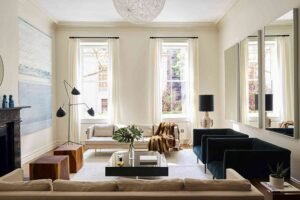
Good lighting improves visibility and enhances comfort. It highlights textures, colors, and architectural features. It also defines zones in open spaces, such as separating dining and living areas without walls. Without proper lighting, even the most beautifully decorated room can feel flat and uninviting.
Lighting also influences emotions. Warm lighting creates a cozy and relaxing environment, while cool lighting supports focus and alertness. This makes lighting an essential part of both home comfort and lifestyle.
Types of Lighting and Their Role in Home Decoration
To master how to use lighting in home decoration effectively, you need to understand the three main types of lighting used in interior design.


Ambient Lighting for Overall Illumination
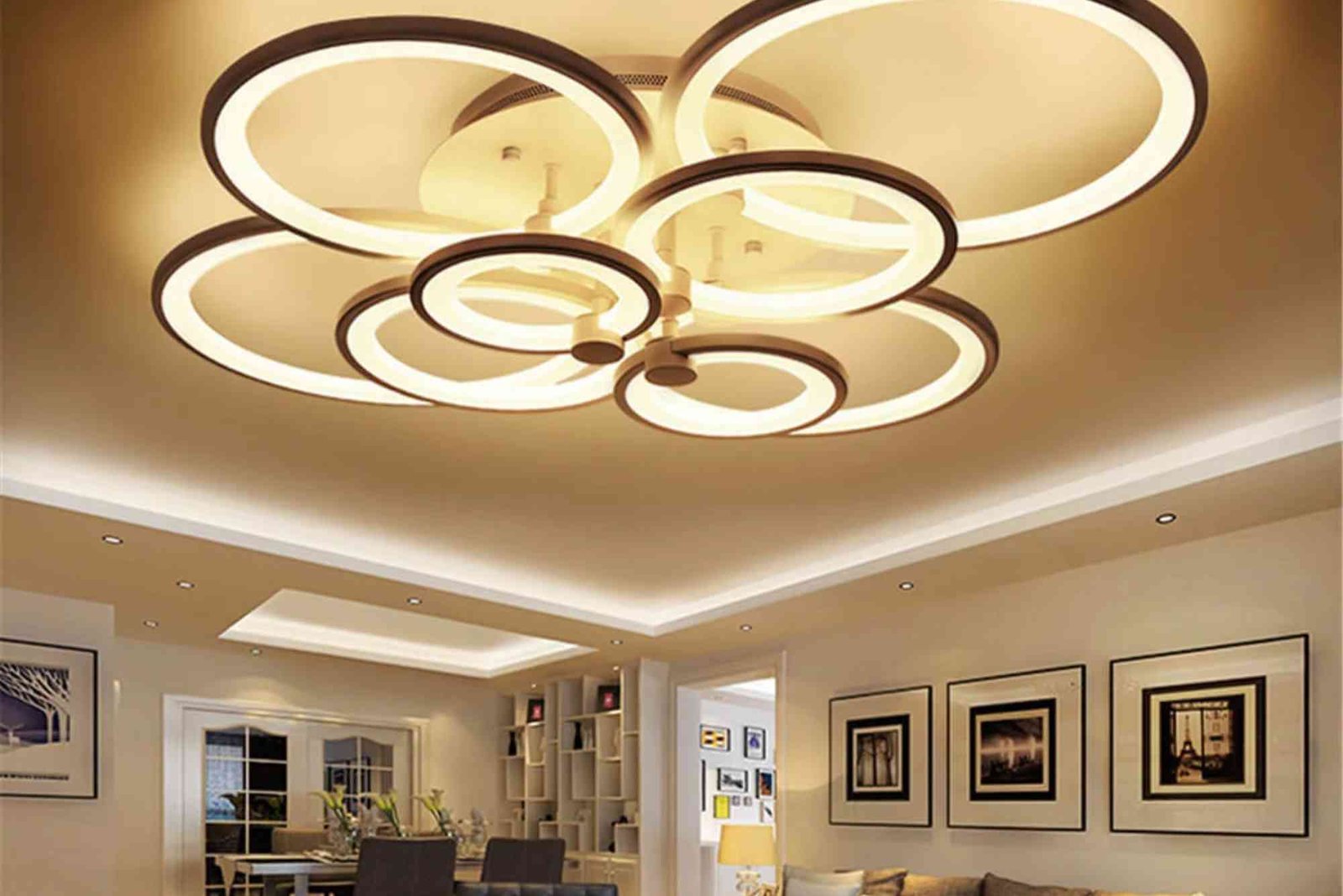
Ambient lighting is the primary source of light in any room. It provides general brightness and ensures visibility throughout the space. Ceiling lights, chandeliers, and recessed lights are common examples.
This type of lighting sets the foundation of your room’s design. Without it, other lighting layers cannot function properly. A balanced ambient light helps create a comfortable and welcoming environment.
Task Lighting for Functional Areas
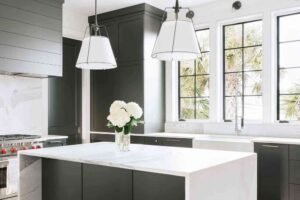
Task lighting focuses on specific activities such as reading, cooking, or working. Desk lamps, kitchen counter lights, and bedside lamps fall into this category.
When applying how to use lighting in home decoration effectively, task lighting ensures practicality. It reduces eye strain and improves efficiency. It is especially important in kitchens, study areas, and workspaces.
Accent Lighting for Visual Appeal
Accent lighting is used to highlight decorative elements like paintings, plants, or architectural details. Wall sconces and spotlights are common examples.
This type of lighting adds drama and depth to your home. It creates visual interest and enhances focal points in a room. Accent lighting is key when you want your interior design to stand out.
Layering Lights for a Balanced Interior
One of the most important techniques in how to use lighting in home decoration effectively is layering. A well-lit space always uses a combination of ambient, task, and accent lighting.
Layering helps eliminate shadows and creates a balanced atmosphere. For example, in a living room, ceiling lights can provide ambient lighting, table lamps can serve as task lighting, and wall lights can act as accent lighting.
This combination ensures your room is both functional and visually appealing. It also allows flexibility, so you can adjust lighting based on mood or time of day.
Choosing the Right Light Colors and Temperatures
Color temperature plays a major role in home lighting. Warm light creates a soft and relaxing mood, while cool light feels bright and energetic.
When practicing how to use lighting in home decoration effectively, selecting the right tone is essential. Bedrooms and living rooms often benefit from warm lighting because it promotes relaxation. Kitchens and bathrooms usually require cooler lighting for clarity and focus.
Natural white light is a balanced option that works well in most areas. It provides a clean look without being too harsh or too soft.
Using Lighting to Enhance Room Size and Space
Lighting can visually change the perception of space. Bright and well-distributed lighting makes small rooms appear larger. Shadows and dark corners can make even big rooms feel smaller.
Wall-mounted lights and mirrors with lighting can help reflect light and expand visual space. Placing lights in corners or along walls also helps open up the room.
When applying how to use lighting in home decoration effectively, always consider how light interacts with space. Proper placement can dramatically improve the overall feel of your home.
Highlighting Interior Features with Strategic Lighting
Every home has special design elements that deserve attention. It could be a textured wall, artwork, or decorative furniture. Lighting helps highlight these features.
Accent lighting can draw attention to focal points, making them stand out beautifully. This technique adds sophistication and elegance to your interior design.
If you want to master how to use lighting in home decoration effectively, always think about what you want people to notice when they enter a room.
Natural Light as a Design Element
Natural light is one of the most valuable resources in home decoration. It enhances colors, improves mood, and saves energy.
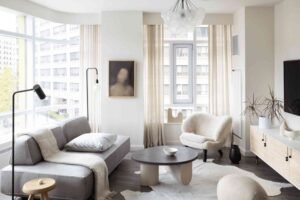
Large windows, sheer curtains, and open layouts help maximize natural light. When combined with artificial lighting, it creates a perfect balance.
Understanding how to use lighting in home decoration effectively also means knowing how to control daylight. You can soften sunlight with curtains or reflect it using mirrors to brighten darker areas.
Lighting for Different Rooms in the Home
Each room has different lighting needs based on its function.
Living rooms require flexible lighting for relaxation and entertainment. Bedrooms need soft and warm lighting to promote rest. Kitchens require bright and focused lighting for cooking tasks. Bathrooms need clear lighting for grooming and hygiene.
By adjusting lighting according to each space, you ensure comfort and efficiency throughout your home. This is a core principle in how to use lighting in home decoration effectively.
Smart Lighting and Modern Technology
Modern homes increasingly use smart lighting systems. These allow you to control brightness, color, and timing using mobile devices or voice assistants.
Smart lighting enhances convenience and energy efficiency. It also allows you to change moods instantly, from bright work lighting to soft evening ambiance.
Integrating smart systems is a modern way of learning how to use lighting in home decoration effectively while keeping your home up to date with technology.
Common Mistakes to Avoid in Home Lighting
Many homeowners make simple mistakes that reduce the impact of their lighting design. Overusing one type of light, ignoring natural light, or placing fixtures incorrectly can harm the overall look.
Another common issue is using lights that are too bright or too dim for the space. Balance is always the key.
Avoiding these mistakes is essential when learning how to use lighting in home decoration effectively.
Conclusion
Lighting is more than just a functional necessity. It is a powerful design tool that shapes the entire atmosphere of your home. By understanding different lighting types, layering techniques, and color temperatures, you can completely transform your living space.
If you want a more stylish, comfortable, and modern home, start applying these lighting principles today. Experiment with placement, brightness, and design until you find the perfect balance.
Start small, observe changes, and gradually improve each room. With the right approach, you will master how to use lighting in home decoration effectively and create a home that feels both beautiful and functional.
FAQs
How can lighting improve home decoration?
Lighting improves home decoration by enhancing colors, highlighting features, and creating mood. It also adds depth and dimension to interiors.
What type of lighting is best for living rooms?
A combination of ambient, task, and accent lighting works best. It provides flexibility for relaxation, reading, and entertainment.
Why is layered lighting important in home design?
Layered lighting ensures balance, reduces shadows, and improves both functionality and aesthetics in a room.
How does lighting affect mood in a home?
Warm lighting creates relaxation, while cool lighting improves focus and energy. Lighting directly influences emotions and comfort.
Can natural light replace artificial lighting?
Natural light is essential but cannot fully replace artificial lighting. A combination of both is ideal for a well-balanced home.
Related Reading: Best Home Decor Ideas for Apartments
Related Reading: How to Create a Minimalist Home Decoration Style