Practical Tips: Is A Gold Long Range Detector Practical For Desert Prospecting
Gold prospecting in desert environments is a unique challenge that demands both the right tools and informed strategies. Among these, the gold long range detector has gained attention for its promise of locating gold deposits over vast distances. But is a gold long range detector practical for desert prospecting? This guide explores the realities, benefits, and limitations of using such technology in arid terrains. By understanding its capabilities, you can make informed decisions and improve your prospecting success.
Understanding Gold Long Range Detectors
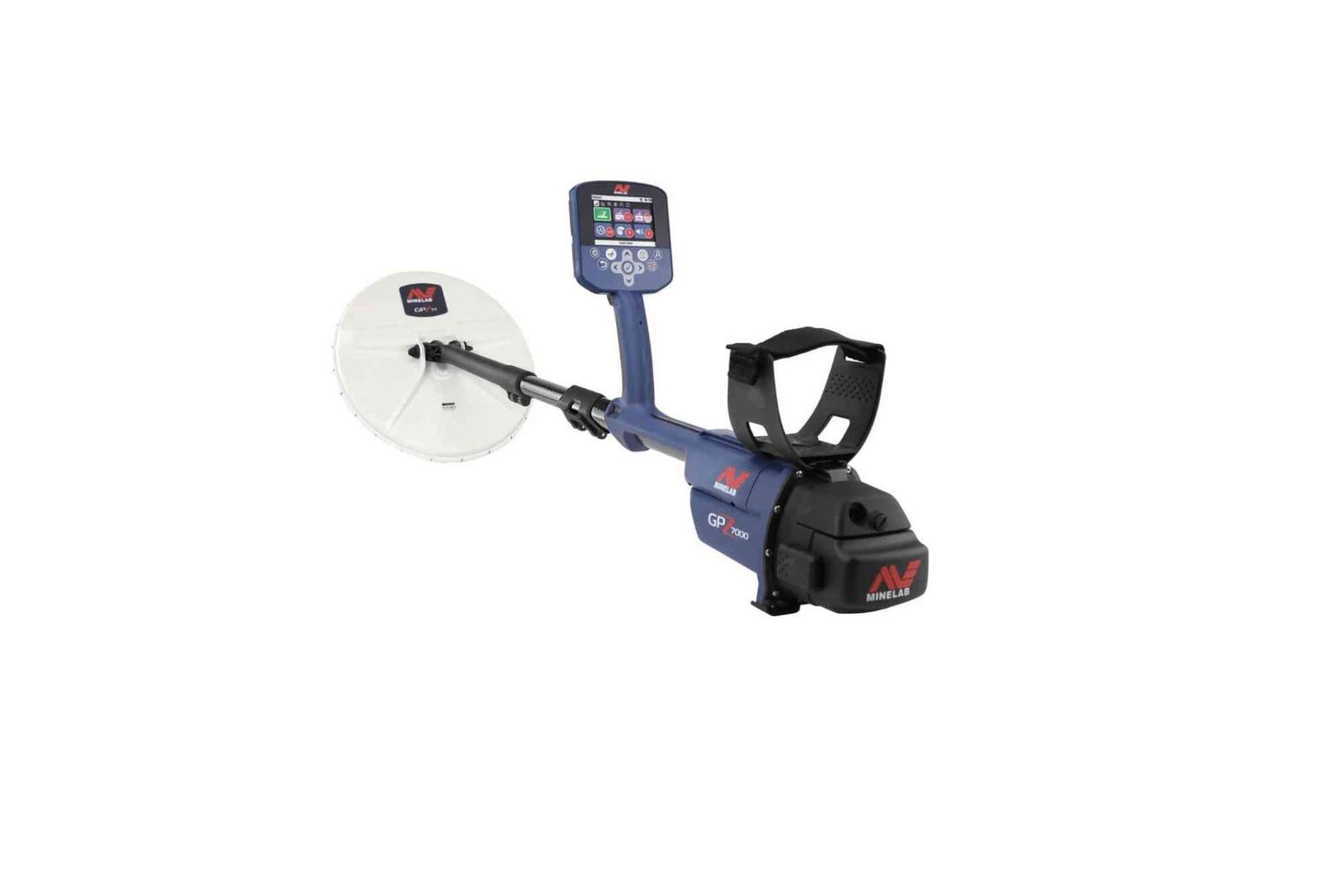
A gold long range detector is designed to detect buried gold from a distance, often using advanced electromagnetic technology. Unlike traditional metal detectors, which require close proximity to the target, long range detectors claim to sense mineralized areas over a wider radius. However, understanding how these devices work is essential before relying on them in desert conditions.
Technology Behind Long Range Detectors
Long range detectors generally operate by emitting electromagnetic signals and interpreting anomalies in the magnetic field. These anomalies suggest the presence of minerals, including gold. Some models claim to detect gold up to hundreds of meters away, though practical detection ranges often fall short of marketing claims. Experienced prospectors caution that while the technology is impressive, it should not replace traditional detection techniques entirely.
Factors Affecting Detector Performance
Desert environments present unique challenges for metal detection. Extreme heat, dry soil, and high mineral content can impact the accuracy of long range detectors. Electromagnetic interference from natural formations or human-made objects can also affect readings. Understanding these limitations ensures that users approach desert prospecting with realistic expectations.
Practical Considerations for Desert Prospecting
Using a gold long range detector in the desert requires careful planning. While these devices offer potential advantages, several practical considerations must be addressed to maximize effectiveness.
Terrain and Soil Composition
Deserts often feature sandy soils with varying mineral content. This can affect the conductivity and magnetic response of the detector. High iron concentrations may produce false signals, while extremely dry sand may reduce signal penetration. Therefore, understanding the soil composition is crucial before investing in long range detection technology.
Device Calibration and Settings
Proper calibration is essential. Long range detectors require adjustments to sensitivity, depth settings, and target discrimination based on local conditions. Desert prospectors often experiment with multiple settings during initial surveys to identify the optimal configuration for their specific area. Consistent calibration ensures better detection accuracy and fewer false positives.
Physical Endurance and Safety
Desert prospecting is physically demanding. Carrying and operating a long range detector for hours under high temperatures can lead to fatigue and dehydration. Planning for water supply, sun protection, and rest breaks is as important as selecting the right equipment. Safety should never be compromised, even when technology promises easier detection.
Advantages of Using a Gold Long Range Detector in Deserts
Despite practical challenges, long range detectors offer several advantages for desert gold prospecting.
Wide Area Coverage
One of the most significant benefits is the ability to survey large areas quickly. Traditional metal detectors require a slow, methodical approach, while long range detectors can identify potential gold zones over greater distances. This can save time and increase the chances of locating promising targets.
Reduced Manual Labor
By highlighting areas with potential mineralization, long range detectors reduce unnecessary digging and physical effort. Prospectors can focus their energy on high-probability zones, improving efficiency and reducing environmental impact.
Early Detection of Gold-Rich Zones
Long range detectors can reveal mineralized zones that are not immediately visible on the surface. This early insight allows prospectors to plan targeted excavations and refine their overall search strategy. However, it is important to note that these readings often indicate potential zones rather than specific nuggets, necessitating follow-up verification with traditional methods.
Limitations and Realistic Expectations
While gold long range detectors are exciting tools, their limitations must be acknowledged to avoid disappointment.
Detection Range vs. Accuracy
Marketing claims often overstate detection distances. In reality, environmental conditions, device quality, and soil composition significantly reduce the effective range. Expecting pinpoint accuracy from hundreds of meters away is unrealistic. For practical desert prospecting, long range detectors work best as preliminary survey tools rather than final confirmation devices.
Dependence on Experience
Successful use of a long range detector depends heavily on operator skill. Interpreting electromagnetic signals requires training and experience. Inexperienced users may misread signals or misjudge anomalies, leading to wasted time and resources. Combining detector readings with geological knowledge enhances effectiveness.
High Costs and Maintenance
Long range detectors are often expensive and delicate. Harsh desert conditions, including sand, dust, and heat, can damage sensitive electronics. Regular maintenance, careful handling, and protective measures are essential to prolong the device’s lifespan.
Maximizing Effectiveness in Desert Prospecting
To make a gold long range detector practical in desert conditions, prospectors should combine technology with traditional methods and careful planning.
Survey Before You Detect
Researching local geology and historical mining data helps identify areas with higher potential. Combining this information with detector readings enhances the likelihood of success. Prospectors can focus on mineralized zones rather than random desert stretches.
Use Complementary Equipment
While long range detectors are valuable, complementing them with standard metal detectors, gold pans, and soil sampling tools ensures more reliable results. Long range detectors can indicate promising areas, and traditional methods can confirm actual gold presence.
Practice and Training
Spending time learning device operation in controlled environments improves proficiency. Desert conditions add complexity, so familiarizing yourself with both the detector and the terrain reduces errors during actual prospecting trips.
Environmental Considerations
Respecting local regulations and minimizing environmental impact is crucial. Avoid unnecessary digging and restore the site after sampling. Ethical prospecting ensures sustainability and prevents legal issues.
So, is a gold long range detector practical for desert prospecting? The answer is yes, but with caveats. These devices excel as preliminary survey tools, helping prospectors identify mineralized zones and reduce manual labor. However, they are not a replacement for traditional metal detection and hands-on prospecting skills. Practical use requires understanding the terrain, device limitations, and environmental factors. When combined with experience, research, and complementary tools, a long range detector can enhance desert gold prospecting efficiency and success. For more insights, explore this Related Metal Detectors article and learn about long range detection strategies in the desert with Is A Gold Long Range Detector Practical For Desert Prospecting. For official guidelines and safety advice while prospecting, Learn more.
Looking for the latest updates, tips, and insights on tech, software, and digital trends? Stay informed and never miss out! Visit our homepage at Ducky Update to explore in-depth articles, guides, and resources designed to keep you ahead in the fast-paced digital world
FAQs
Q1: Can a gold long range detector find individual gold nuggets?
No, these detectors are better at identifying mineralized zones rather than specific nuggets. Confirm findings with standard detectors or panning.
Q2: Are gold long range detectors effective in dry, sandy deserts?
Effectiveness can decrease in dry, mineral-poor sand. Calibration and experience are crucial for better readings.
Q3: Do long range detectors work without prior geological knowledge?
While possible, combining detector readings with geological research significantly improves results.
Q4: How far can a gold long range detector realistically detect gold?
Effective range varies, but it usually falls below marketing claims. Practical detection is often tens of meters rather than hundreds.
Q5: Is desert prospecting safe with long range detectors?
Yes, but safety precautions are essential, including hydration, sun protection, and planning rest periods.