
Practical Tips: Oven Produces Excessive Heat Outside Body
Ovens are essential in every kitchen, but what happens when your appliance produces excessive heat outside body? This problem can pose safety risks, affect cooking efficiency, and shorten your oven’s lifespan. Understanding why this occurs and how to manage it is crucial for safe and effective cooking. In this article, we’ll share practical tips for when your oven produces excessive heat outside body, helping you maintain a safer kitchen environment.
Common Causes of Oven Producing Excessive Heat Outside Body
Malfunctioning Door Seal
A worn or damaged oven door seal allows heat to escape. This not only makes the kitchen hotter but can also increase energy bills. Inspect the gasket for cracks, tears, or deformation, and replace it if needed.
Incorrect Oven Placement
Ovens installed too close to walls or cabinets may trap heat, causing the exterior to become unusually hot. Ensure proper clearance as per the manufacturer’s guidelines.
Faulty Thermostat or Temperature Sensor
If the thermostat or temperature sensor malfunctions, the oven may overheat, producing heat outside body. Regularly check the oven’s internal temperature using an oven thermometer.
Excessive Use or High-Temperature Settings
Using your oven at maximum temperature for prolonged periods can naturally heat the exterior. Avoid setting the oven higher than required, and give it breaks between extended cooking sessions.
Practical Tips to Manage Excessive Oven Heat
Maintain Proper Ventilation
Ensure your kitchen has good airflow. Use exhaust fans or open windows to reduce heat buildup. Proper ventilation keeps both the oven and the room cooler.
Inspect and Replace Door Gaskets
Check your oven door seals every few months. If they’re damaged or brittle, replace them promptly to prevent heat leakage.
Avoid Blocking Oven Vents
Oven vents release hot air, and blocking them increases exterior heat. Keep the area around the oven clear for safe and efficient operation.
Use Oven Thermometers
A reliable oven thermometer helps monitor internal temperature, ensuring the thermostat works correctly and the oven doesn’t overheat.
Adjust Cooking Habits
Cook smaller batches and avoid prolonged high-heat cooking. Using residual heat after switching off can also save energy and reduce external heat.
Regular Maintenance
Schedule professional oven inspections once a year. Technicians can detect thermostat issues, insulation problems, or other faults causing excessive heat.
Safety Measures for High Oven Temperatures
Keep Flammable Items Away
High exterior temperatures can ignite nearby items. Learn more Always store oven mitts, paper towels, and kitchen cloths at a safe distance.
Use Heat-Resistant Gloves
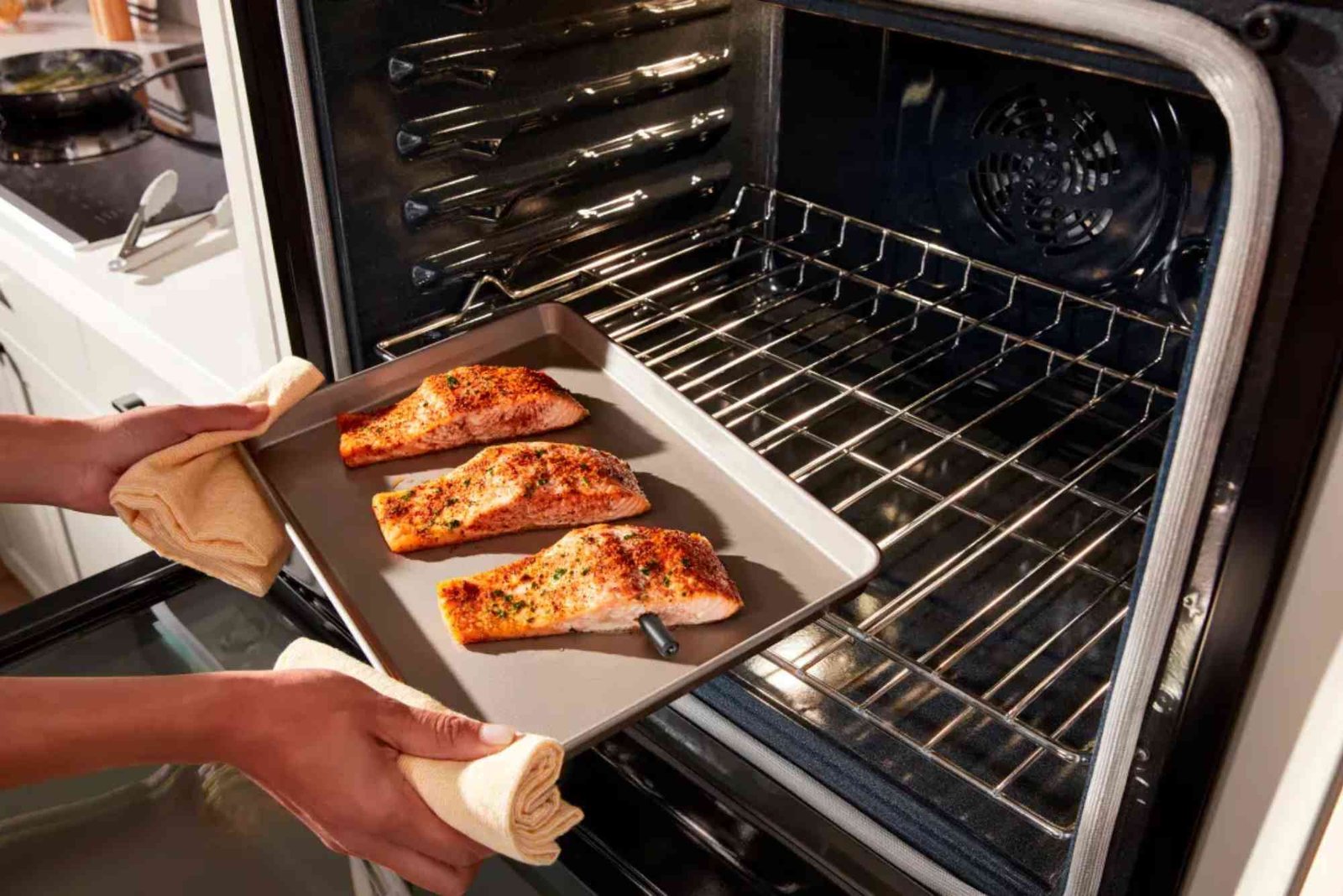
Protect your hands when touching the oven, especially during long cooking sessions or when handling hot trays.
Educate Household Members
Inform everyone in your home about the oven’s external heat risks. Awareness reduces accidental burns and injuries.
Monitor Children and Pets
Children and pets are particularly vulnerable to oven burns. Consider installing a safety barrier if the oven exterior becomes extremely hot.
Troubleshooting Oven Heat Problems
Check the Door Seal
Inspect the door gasket for cracks or loose areas. A tight seal prevents heat from escaping.
Test Temperature Accuracy
Place an oven thermometer inside while preheating. Compare the reading to your oven setting. A large difference may indicate a faulty thermostat.
Examine Oven Placement
Ensure the oven is not against walls, cabinets, or other appliances. Adequate spacing reduces excessive external heat.
Call a Technician
If heat persists despite maintenance, contact a professional. Persistent external heat can indicate wiring or insulation issues.
For more advice on kitchen appliance safety, check our Related Blog article covering general oven maintenance tips. You can also Learn more about preventing kitchen heat hazards from trusted sources like the Consumer Product Safety Commission.
FAQs About Oven Produces Excessive Heat Outside Body
Why is my oven producing heat outside body?
Excess heat usually occurs due to damaged door seals, faulty thermostats, or improper placement. Regular maintenance can resolve most issues.
How can I prevent my oven from overheating?
Maintain ventilation, avoid blocking vents, and check door seals. Use the correct cooking temperature and avoid prolonged high-heat use.
Can excessive oven heat be dangerous?
Yes. It can cause burns, ignite nearby flammable items, and reduce oven lifespan. Safety precautions like gloves and barriers are recommended.
Should I replace my oven if it produces excessive heat?
Not always. Inspect seals, thermostats, and vents first. Replacement is needed only if repairs fail or the appliance is very old.
How often should I check my oven door seal?
Check every 3–6 months. Replace immediately if there are cracks or gaps to prevent heat leakage.
Experiencing an oven that produces excessive heat outside body is not uncommon. With the right practical tips, including maintaining door seals, ensuring proper ventilation, adjusting cooking habits, and scheduling regular maintenance, you can protect yourself, your family, and your appliance.
Don’t ignore unusual heat patterns. For a safer kitchen and optimal cooking, take action today. If issues persist, consult a professional technician to prevent long-term damage.
Take charge of your kitchen safety and efficiency now—check your oven’s condition and apply these practical tips for when your oven produces excessive heat outside body.