
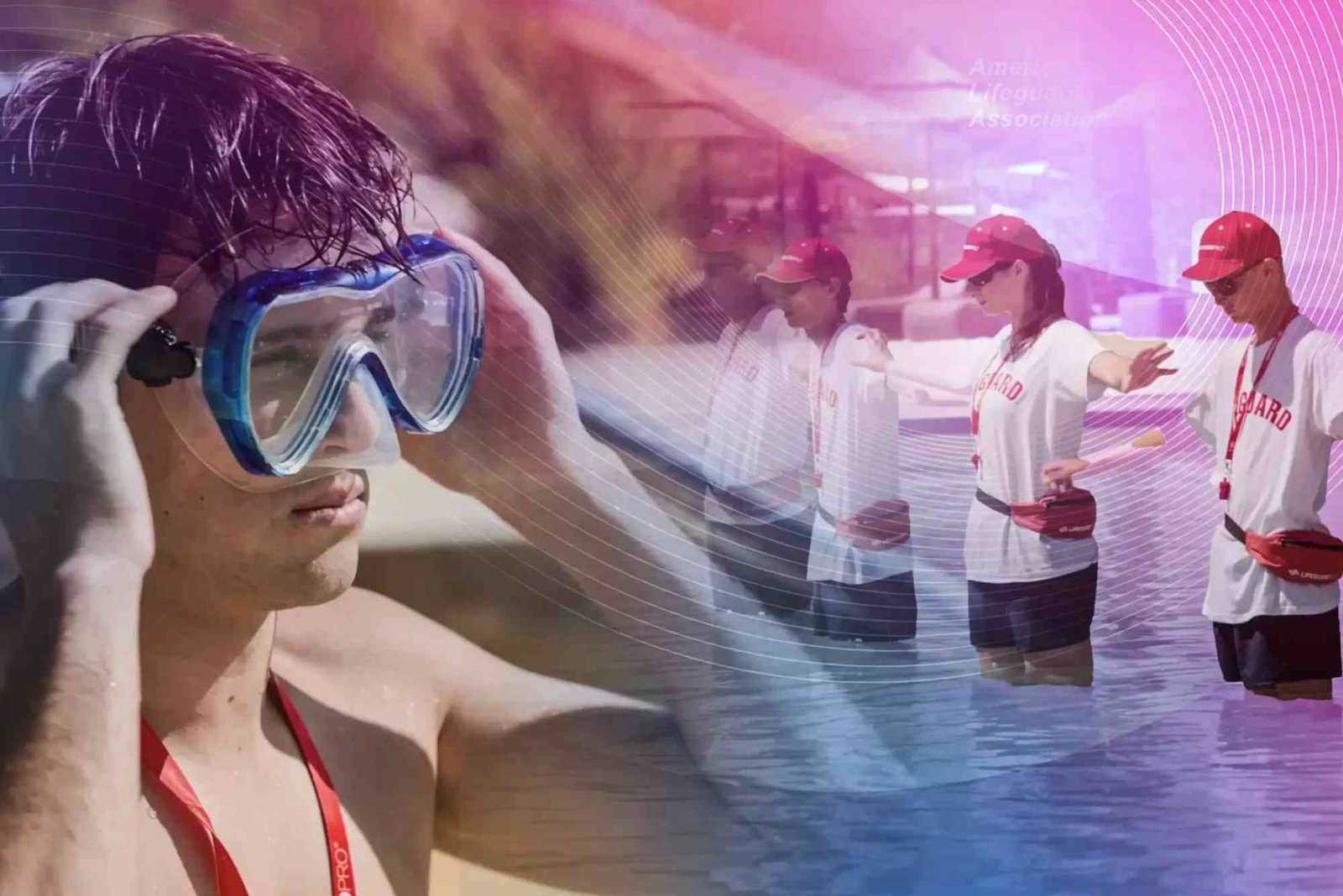
Practical Tips: Water Safety Techniques In Lifeguard Training
Lifeguard training is more than a certification—it’s about mastering water safety, rapid response, and preventive techniques. Understanding practical tips: water safety techniques in lifeguard training ensures you can protect swimmers effectively. This article covers essential strategies, skills, and methods to improve both confidence and competency in aquatic safety.
Importance of Lifeguard Training
Understanding Risk Assessment
Lifeguards must identify potential hazards in pools, beaches, or water parks. Early recognition of unsafe conditions prevents accidents. Assessing water clarity, depth, currents, and swimmer behavior is crucial.
Building Confidence and Readiness
Training prepares lifeguards to react calmly under pressure. Confidence stems from repeated practice of rescues, first aid, and CPR techniques. Regular drills reinforce these lifesaving skills.
Core Water Safety Techniques
Effective Surveillance Techniques
Observing swimmers is the first line of defense. Lifeguards must scan large areas systematically and avoid distractions. Techniques include zone coverage and rotating observation points to maintain alertness.
Quick and Safe Rescue Methods
Knowing how to approach a distressed swimmer can prevent harm to both parties. Methods like reaching assists, throwing aids, and swimming rescues are essential. Maintaining personal safety while helping others is always a priority.
Proper Use of Rescue Equipment
Familiarity with rescue tubes, life rings, and backboards can make the difference during emergencies. Lifeguards must practice deploying these tools swiftly and correctly.
Training Drills for Lifeguards
Simulated Emergency Scenarios
Practicing realistic emergencies, such as panicked swimmers or spinal injuries, enhances reaction speed. Scenario-based training helps anticipate challenges and decide on the safest course of action.
Endurance and Strength Exercises
Water rescues are physically demanding. Lifeguards should engage in swimming sprints, treading water, and strength conditioning to handle prolonged rescues effectively.
Communication and Team Coordination
Lifeguards often work in teams. Clear signals, whistle commands, and coordinated approaches reduce confusion during incidents. Training should include both verbal and non-verbal communication methods.
Preventive Safety Measures
Enforcing Rules and Guidelines
Prevention is better than rescue. Lifeguards must ensure swimmers follow rules, such as no running near pools or observing designated swimming zones.
Educating the Public
Teaching swimmers about flotation devices, buddy systems, and avoiding risky behavior reduces emergencies. Lifeguards can conduct safety briefings to increase awareness.
Monitoring Environmental Conditions
Weather, tides, and water temperature can affect safety. Regularly checking and responding to these factors ensures a secure swimming environment.
Advanced Lifeguard Skills
Spinal Injury Management
Proper techniques for handling suspected spinal injuries are crucial. Lifeguards learn to stabilize the head and neck, use backboards, and transport victims safely.
CPR and First Aid Certification
Immediate medical response saves lives. Lifeguards must maintain up-to-date CPR and first aid skills to handle cardiac arrest, choking, or severe injuries efficiently.
Night and Low-Visibility Operations
Lifeguard training should include night rescues and handling low-visibility conditions. Using proper lighting and communication ensures continuous safety supervision.
Benefits of Following Practical Water Safety Tips
Reducing Accident Risks
Well-trained lifeguards prevent injuries before they occur. Consistent application of safety techniques lowers the likelihood of drowning and other emergencies.
Enhancing Public Trust
Visible competence reassures swimmers. Water Safety Techniques In Lifeguard Training Confidence in lifeguards promotes safer swimming habits and a positive aquatic environment.
Improving Lifeguard Performance
Regular practice and adherence to safety techniques sharpen skills. Lifeguards stay prepared for complex rescue scenarios while maintaining personal safety.
FAQ: Practical Tips: Water Safety Techniques In Lifeguard Training
What are the most important water safety techniques for lifeguards?
Key techniques include active surveillance, quick rescue responses, proper use of equipment, and CPR knowledge. Prevention is equally important.
How often should lifeguards practice rescue drills?
Regular practice, at least weekly, is recommended. Frequent drills keep skills sharp and responses fast during emergencies.
Can lifeguard training prevent drowning incidents?
Yes, proper training enables lifeguards to identify hazards early, enforce rules, and respond effectively to emergencies. Prevention is the first priority.
What equipment is essential for lifeguard safety?
Rescue tubes, life rings, backboards, and whistles are standard. Familiarity and practice with each tool are critical.
How do lifeguards handle panicked swimmers safely?
Approach calmly, use rescue aids, maintain a safe distance, and stabilize the swimmer until help arrives or conditions are safe.
Are physical fitness levels important for lifeguards?
Absolutely. Swimming strength, endurance, and agility are essential for safe rescues and long-duration vigilance.
Can lifeguards manage spinal injuries alone?
Spinal injuries require stabilization techniques and often team support. Lifeguards must follow trained protocols to prevent further harm.
Mastering practical tips: water safety techniques in lifeguard training is vital for protecting swimmers and preventing accidents. Lifeguards must combine observation, physical skill, communication, and emergency response knowledge. Regular drills, preventive strategies, and equipment familiarity ensure preparedness for any situation.
For those serious about improving their water safety skills, continuing education and practical experience are key. Explore more techniques and training strategies in our Related Blog article to enhance your safety expertise. To deepen your understanding of [Water Safety Techniques In Lifeguard Training], consider enrolling in advanced courses and workshops.
Take action today to refine your skills and ensure every aquatic environment you supervise is safe. Learn more about lifeguard training programs near you.