
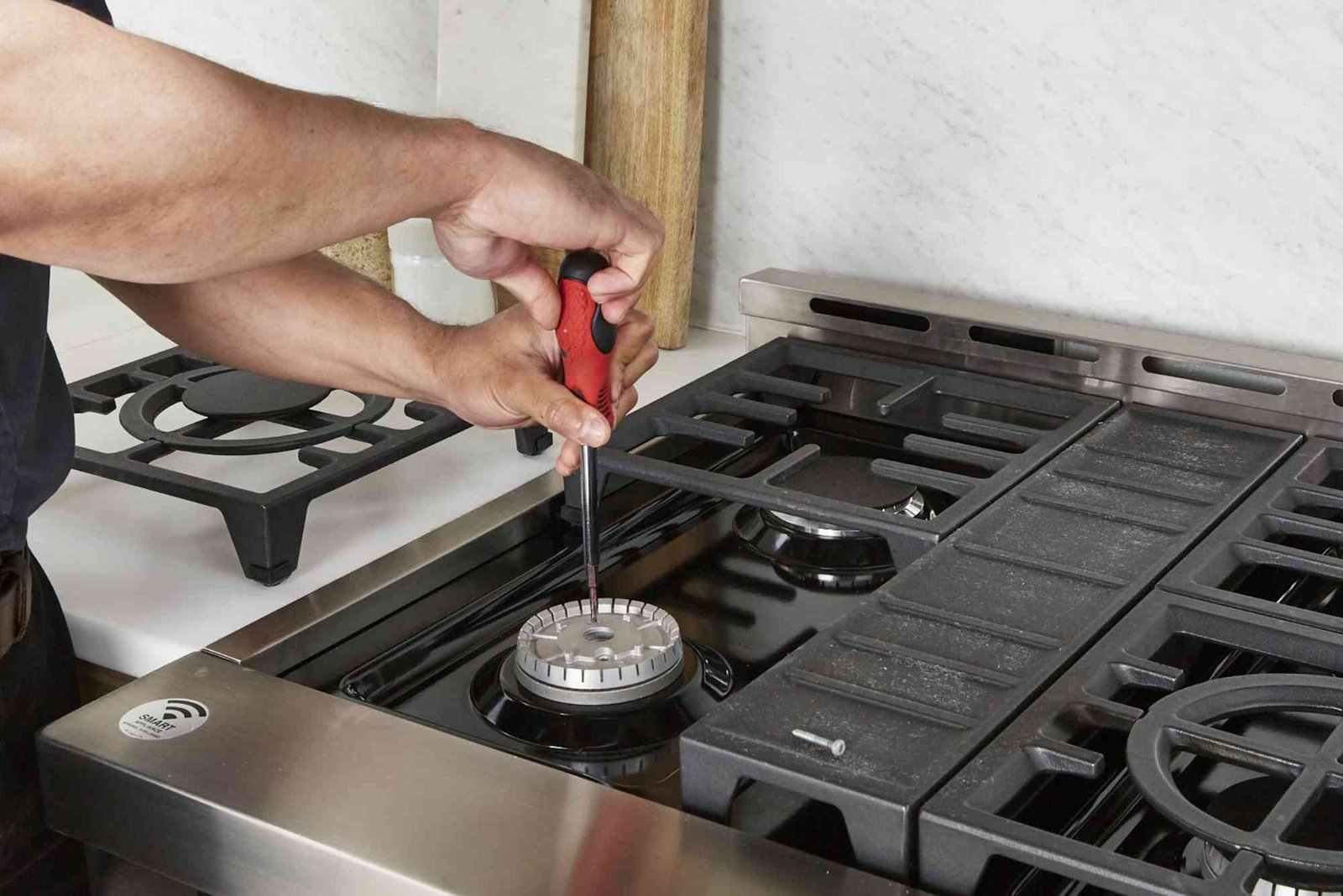
Introduction
A gas stove is an essential appliance in every kitchen. However, issues with the gas regulator can disrupt cooking and pose safety risks. Understanding how to identify and fix these problems is crucial. This guide offers practical tips to fix gas stove regulator problems efficiently, ensuring smooth and safe kitchen operations. Whether you are a homeowner or a cooking enthusiast, these insights will help you troubleshoot and solve common issues effectively.
Understanding Gas Stove Regulators
Gas stove regulators are devices that control the flow of gas from the cylinder to the stove. They maintain a consistent pressure, ensuring that the flame burns steadily and efficiently. Problems with regulators can lead to uneven flames, gas leaks, or even stove malfunction. Recognizing the signs of a faulty regulator is the first step in solving the issue.
Common Signs of Regulator Problems
A malfunctioning gas stove regulator often shows noticeable signs. These include irregular flame size, unusual hissing sounds, or difficulty in controlling the flame. Sometimes, the regulator might get too hot, or gas may leak when the stove is turned off. Paying attention to these symptoms can prevent potential hazards and kitchen accidents.
Causes of Gas Regulator Malfunctions
Several factors can cause regulator issues. Aging regulators, clogged vents, or damaged components can disrupt gas flow. Exposure to moisture or improper installation can also lead to regulator failure. Identifying the root cause helps in selecting the right solution and prevents recurring problems.
Step-by-Step Guide to Fix Gas Stove Regulator Problems
Fixing gas stove regulator problems requires a systematic approach. Safety is the top priority. Make sure to turn off the gas supply before attempting any fixes.
Inspecting the Gas Cylinder and Regulator
Start by examining the gas cylinder and regulator for visible damage or wear. Check for dents, cracks, or corrosion on the regulator. Ensure that the cylinder is not empty or overfilled. A damaged or expired regulator should be replaced immediately to maintain safety.
Cleaning the Regulator and Stove Connections
Dust, debris, or grease can block the regulator vents. Clean the regulator with a dry cloth and ensure that the connections to the stove are tight. Avoid using water directly on the regulator, as it can cause further damage. Proper maintenance improves gas flow and stove performance.
Checking Gas Flow and Pressure
To fix gas stove regulator problems, you must verify the gas flow. Turn on the stove and observe the flame. A consistent blue flame indicates normal operation, while a yellow or flickering flame suggests regulator issues. Measuring the gas pressure using a manometer can help detect irregularities. If pressure is low or fluctuates, the regulator may need repair or replacement.
Replacing the Gas Regulator
Sometimes, cleaning and inspection are not enough. A faulty regulator should be replaced with a compatible, certified one. Ensure that the new regulator matches the gas type (LPG or natural gas) and stove requirements. Installing the regulator correctly ensures safety and long-term performance.
Testing for Gas Leaks
After addressing regulator issues, check for gas leaks. Apply a soapy water solution to the connection points. If bubbles appear, there is a leak. Tighten the connections or replace faulty components. This test is essential to prevent accidents and maintain a safe kitchen environment.
Maintaining Regulators for Longevity
Preventing problems is easier than fixing them. Regular maintenance of the regulator and gas connections can extend its life. Keep the regulator and stove area clean, avoid using excessive force while turning knobs, and replace the regulator every few years as recommended by manufacturers.
Safety Precautions While Handling Regulators
Working with gas appliances can be hazardous. Always follow safety measures to protect yourself and your home. Avoid using open flames near gas connections, ensure proper ventilation, and never attempt complex repairs if you are unsure. Consulting a certified technician is always advisable for major issues.
Troubleshooting Minor Issues
Some minor issues can be fixed without replacing the regulator. Loose connections, dirt accumulation, or misaligned hoses can cause flame irregularities. Tightening connections and cleaning components often restore proper function. Always observe the stove while performing adjustments to prevent gas leaks or accidents.
How to Handle Flame Irregularities
If the stove flame fluctuates or appears yellow, it could indicate partial blockage or low gas pressure. Cleaning the burner holes, checking the hose for kinks, and adjusting the regulator can solve the problem. Flame irregularities should never be ignored, as they can affect cooking efficiency and safety.
Dealing with Overheating Regulators
Overheating regulators are usually caused by prolonged use or exposure to high temperatures. Turn off the stove and allow the regulator to cool. Ensure the stove is not placed near heat sources, and check the regulator for damage. Replacing the regulator may be necessary if overheating persists.
Expert Recommendations
Professional advice can enhance the effectiveness of home repairs. Certified gas technicians emphasize using genuine parts, following manufacturer instructions, and performing regular inspections. Avoid improvising with incompatible regulators, as this can cause serious safety hazards.
For a detailed guide on safe and effective fixes, check out this Related Blog article that explains appliance maintenance techniques, which also apply to gas stoves.
When to Seek Professional Help
While many issues can be fixed at home, certain problems require expert attention. Continuous gas leakage, damaged hoses, or persistent flame fluctuations should be addressed by a certified technician. Seeking professional help ensures that the stove operates safely and efficiently, minimizing the risk of accidents.
Benefits of Timely Regulator Maintenance
Proper maintenance of gas stove regulators offers multiple benefits. It enhances safety, improves stove performance, and prevents costly repairs. A well-maintained regulator ensures consistent cooking, reduces gas wastage, and extends the appliance’s life.
Regular inspection and minor fixes prevent major disruptions in your kitchen routine. Learning simple techniques on How To Fix Gas Stove Regulator Problems can save time and money while keeping your home safe.
Additional Tips for Gas Stove Users
Gas stove users should adopt habits that prevent regulator issues. Avoid storing heavy objects near the stove, keep the kitchen well-ventilated, and monitor gas cylinders for expiration dates. Educating family members on safe stove use further reduces risks and prolongs appliance life.
Using High-Quality Regulators
Investing in a high-quality regulator is a long-term solution. Certified regulators are more durable, provide consistent pressure, and reduce the likelihood of malfunctions. Learning more about reliable regulators can be done through trusted sources. You can Learn more about the latest safety standards and regulator technologies.
Checking Stove Burners
Stove burners also impact flame consistency. Clogged or damaged burners can mimic regulator problems. Clean burners regularly, remove food debris, and ensure proper alignment. Combining burner maintenance with regulator care guarantees efficient and safe operation.
Keeping a Maintenance Schedule
Creating a maintenance schedule for your gas stove helps prevent regulator problems. Inspect the regulator every six months, check hoses, and clean burners routinely. Documentation of inspections and repairs helps track issues and ensures timely intervention.
Gas stove regulators are critical for safe and efficient cooking. Identifying problems early and following practical tips can prevent accidents and enhance stove performance. Regular cleaning, timely replacements, and cautious handling ensure longevity and safety. By following these expert tips, you can confidently manage minor issues at home and know when professional help is necessary.
Fixing gas stove regulator problems does not have to be complicated. With proper care, regular inspection, and adherence to safety guidelines, your kitchen will remain efficient and hazard-free. For further guidance and updates on kitchen appliance maintenance, explore our detailed resources and expert blogs.
Take control of your kitchen safety today and ensure your gas stove operates smoothly. Check out additional insights on How To Fix Gas Stove Regulator Problems and master the techniques that keep your cooking safe and efficient.
FAQ
How do I know if my gas stove regulator is faulty?
Signs include fluctuating flame, unusual hissing sounds, overheating, or gas leakage. Regular inspection helps detect issues early.
Can I clean the regulator myself?
Yes, using a dry cloth and ensuring connections are tight. Avoid water directly on the regulator.
How often should I replace the gas regulator?
Most regulators last 3–5 years. Replace sooner if damaged or showing signs of malfunction.
Is it safe to fix regulator problems without a technician?
Minor issues can be fixed safely at home if precautions are followed. Consult a professional for major faults.
Why is my stove flame yellow or uneven?
This can indicate regulator issues, clogged burners, or low gas pressure. Cleaning and checking connections usually solve the problem.