
Introduction
Oven heating elements are the backbone of any electric oven. When they fail, cooking becomes inefficient, uneven, or stops altogether. Experiencing a burned-out heating element can be frustrating, but with proper guidance, you can handle the repair safely. This article provides practical tips: to repair oven heating element burnout, ensuring your appliance is restored to optimal performance.
Understanding Oven Heating Element Burnout
Before attempting any repair, it is crucial to understand why heating elements burn out. Typically, these elements are made of high-resistance metal coils that generate heat when electricity passes through them. Over time, repeated heating and cooling cycles can weaken the coil, leading to cracks or complete failure. Factors like frequent use, age, and manufacturing defects can accelerate burnout.
Burned-out heating elements can show several signs. The most common include uneven cooking, an oven that fails to reach the set temperature, or visible breaks in the element. Occasionally, a burning smell or sparks indicate a severe failure requiring immediate attention. Identifying the problem early prevents further damage to your oven.
Safety Precautions Before Repairing
Repair Oven an oven heating element requires careful attention to safety. First, always disconnect your oven from the power supply to avoid electric shocks. This means unplugging the oven or switching off the breaker that controls it. Never attempt repairs while the oven is connected to electricity.
Additionally, allow the oven to cool completely before touching the element. Even a recently used element can retain enough heat to cause burns. Wearing gloves is recommended, and safety glasses can protect your eyes from accidental sparks. Keeping your workspace clear of flammable materials is another essential precaution.
Diagnosing the Heating Element
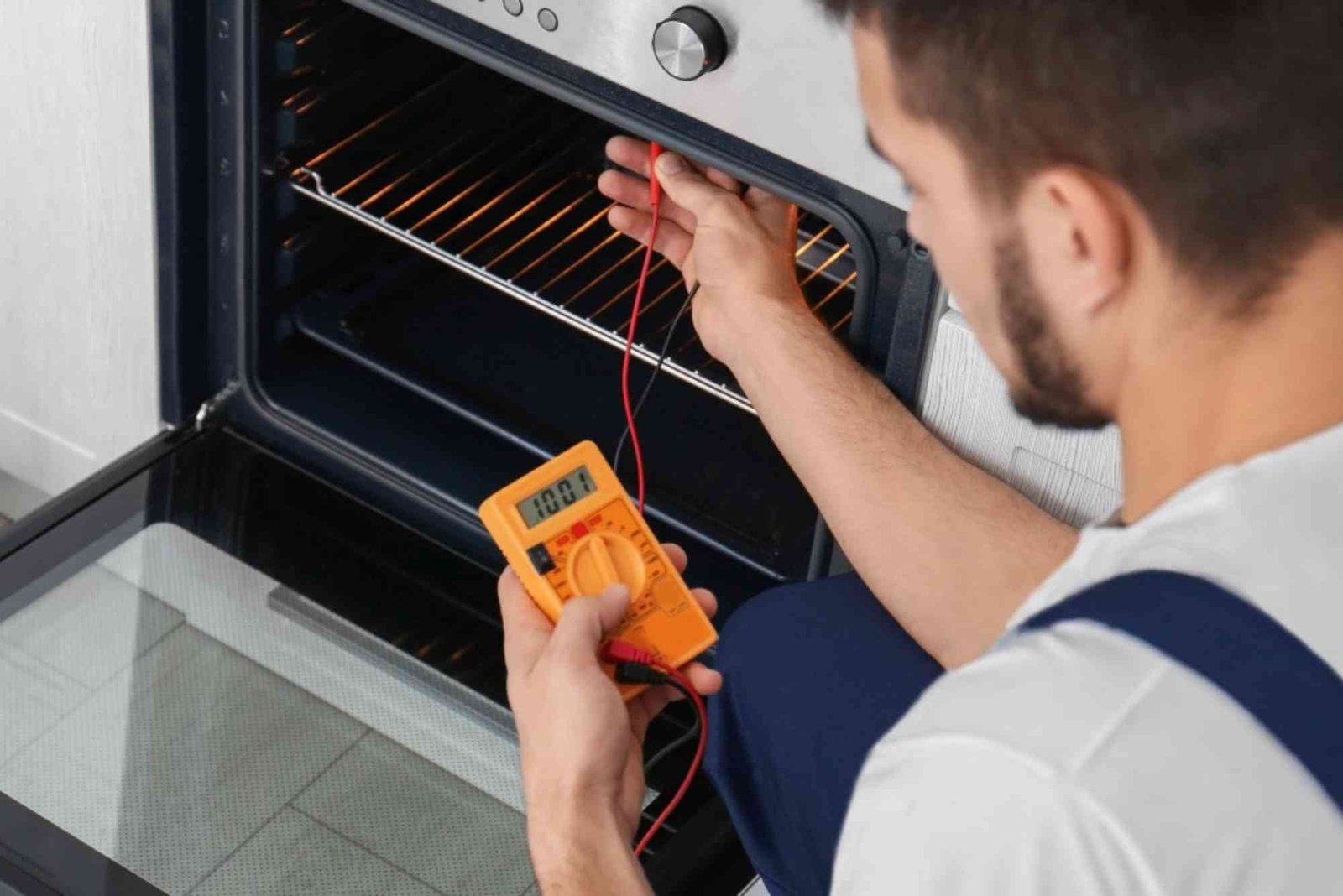
Accurate diagnosis is the key to a successful repair. Start by visually inspecting the element for cracks, breaks, or blisters. In some cases, the element may look intact but still malfunction. Testing with a multimeter can confirm continuity. Set the multimeter to the resistance setting and touch the probes to each terminal of the element. A reading of zero or very low resistance usually indicates a burned-out element.
Occasionally, the problem may lie in the oven’s wiring or control board rather than the element itself. If the multimeter reading is normal, further inspection of the internal connections is necessary. Understanding the root cause prevents replacing elements unnecessarily.
Removing the Burned-Out Heating Element
Once the element is diagnosed, removal is straightforward but must be done carefully. Most elements are attached with screws or clips inside the oven cavity. Remove the oven racks and locate the attachment points at the back. Unscrew or unclip the element and gently pull it away from the wall, taking care not to damage any wiring.
Some ovens have elements connected via plug-in terminals, which can be detached by hand. Labeling the wires before removal helps during reinstallation. Keep all screws and clips in a safe place to avoid losing them.
Selecting the Right Replacement Element
Choosing the correct replacement element is critical for performance and safety. Always use the model number of your oven to find compatible parts. Universal elements may fit physically but might differ in voltage or wattage, affecting heating efficiency. Check the specifications on the old element and compare them with the replacement.
Online retailers or local appliance stores can provide authentic replacements. Ensure the new element is identical in size, voltage, and wattage. Investing in a high-quality replacement prevents repeated burnout and extends the life of your oven.
Installing the New Heating Element
Installing the new element is essentially the reverse of removal. Position the element in place, align it with the screw holes or clips, and secure it firmly. Reconnect the wiring according to the labels made during removal. Ensure all connections are tight but avoid over-tightening, which can damage terminals.
After installation, double-check that the element sits correctly in the oven cavity. It should not touch any other metal surfaces or obstruct oven racks. Proper alignment ensures even heat distribution and prevents early failure.
Testing the Repaired Oven
Before using the oven for cooking, test the repaired element. Reconnect the power supply and turn the oven on to a moderate temperature. Observe the element as it heats. It should glow evenly across the coil without flickering or sparking. If the element heats unevenly, turn off the oven immediately and inspect the installation.
Testing also ensures that the thermostat and controls are functioning correctly. Baking a small dish at first can confirm that heat distribution has returned to normal. Regular monitoring for the first few uses can prevent overlooked issues.
Tips for Extending Heating Element Life
Preventive measures can prolong the life of your oven heating element. Avoid sudden temperature changes, as thermal shock can weaken the coil. Cleaning the element regularly but gently removes accumulated grease and debris that can cause hotspots.
Do not use aluminum foil to line the oven floor, as it can trap heat and damage the element. Follow the manufacturer’s recommended temperature limits, and avoid using high heat for prolonged periods unless necessary. Routine inspections and careful usage go a long way in preventing future burnout.
Signs You Might Need Professional Help
Some heating element problems are beyond DIY repair. If wiring appears damaged, connections are corroded, or the oven repeatedly burns out new elements, contacting a professional technician is wise. Professional repair ensures safe operation and avoids voiding your warranty.
In addition, gas ovens with electric ignition systems should be serviced by certified professionals. Handling gas and electricity together can be hazardous for anyone without proper training.
Common Mistakes to Avoid
A common mistake is trying to repair an element instead of replacing it. Attempting to mend a cracked coil can lead to sparks and fire hazards. Another error is neglecting proper diagnosis, which may result in replacing the element while the underlying problem persists.
Using the wrong replacement element or ignoring safety precautions can cause further damage or injury. Always follow the manufacturer’s instructions and consider consulting a guide or video tutorial if unsure. For more details, check out this Related Blog article.
Benefits of Knowing How To Repair Oven Heating Element Burnout
Learning to handle oven element issues empowers you to save time and money. It reduces downtime in the kitchen and prevents food waste. By understanding repair procedures, you also gain confidence in troubleshooting other appliance issues.
For additional insights and expert guidance, you can visit the How To Repair Oven Heating Element Burnout section. This resource offers step-by-step tips, images, and troubleshooting advice to ensure successful repairs.
Repairing a burned-out oven heating element may seem daunting, but following practical tips ensures safety and efficiency. From accurate diagnosis to careful installation and testing, each step contributes to restoring your oven’s performance. Taking preventive measures and using high-quality replacement parts prolongs the lifespan of the element and keeps your cooking consistent.
If you want your oven running smoothly again, don’t hesitate to tackle the repair with care and knowledge. For further appliance guidance and practical insights, Learn more through trusted resources.
FAQs
How do I know if my oven heating element is burnt out?
Signs include uneven heating, the oven failing to reach temperature, visible cracks, or a burning smell.
Can I repair a cracked heating element?
It’s not recommended. Replacing the element is safer and ensures reliable operation.
How long does a heating element usually last?
With proper care, most elements last 5–10 years, depending on usage and maintenance.
Is it safe to replace an element myself?
Yes, if you follow safety precautions, disconnect power, and handle the element carefully.
Why does a new heating element burn out quickly?
This often indicates an underlying issue, such as wiring problems, incorrect voltage, or faulty oven controls.