
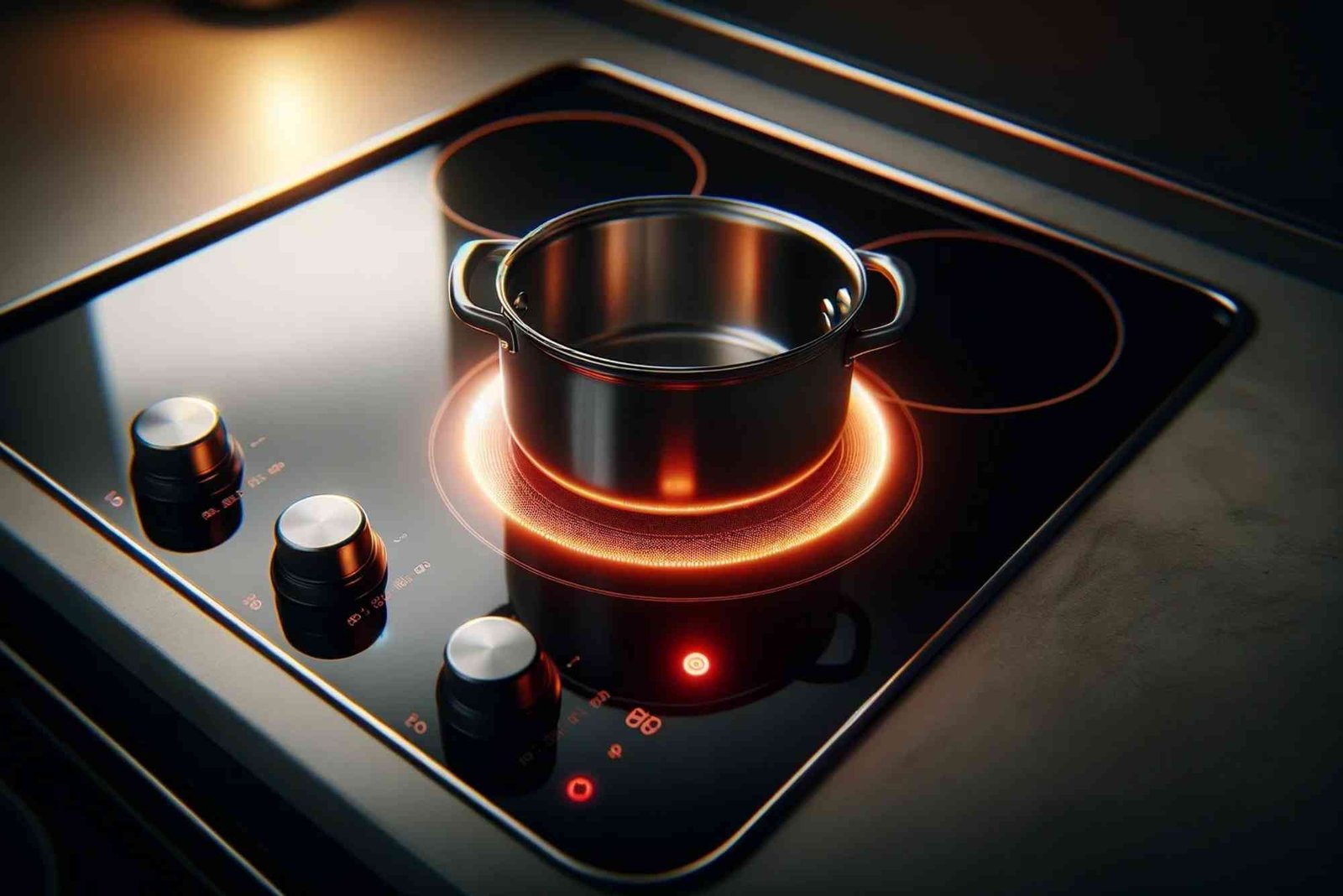
Why Electric Stove Burns Overheats
Electric stoves are a convenient and efficient way to cook, but they can sometimes overheat, causing burnt food, damaged cookware, or even safety risks. Understanding why electric stove burns overheats is crucial for both safety and maintaining the longevity of your appliance. In this article, we explore the main reasons your electric stove may overheat, signs to watch for, and practical solutions to prevent problems.
Understanding Electric Stove Overheating
Electric stoves operate by converting electricity into heat through coils or glass-ceramic surfaces. This process is generally safe, but certain factors can cause the stove to generate excessive heat. Overheating not only affects cooking performance but can also pose fire hazards.
Common Signs of Overheating
Overheating may present itself through various symptoms. Your stove may feel excessively hot even on low settings, burn food quickly, or trigger the circuit breaker. Strange odors, smoke, or discoloration of the burner or cookware are also clear indicators.
Causes of Electric Stove Overheating
Several factors contribute to an electric stove burning or overheating. Recognizing these causes helps prevent damage and ensures safe cooking.
Faulty Heating Element
A damaged or old heating element can malfunction and produce more heat than intended. If the coil or ceramic element has visible cracks or burn marks, it may overheat even on low settings. Replacing the element is often the safest solution.
Malfunctioning Thermostat
The thermostat regulates the stove’s temperature. If it fails, the stove may continue heating beyond the desired temperature, causing overheating. Thermostat issues can be subtle and often require professional inspection to diagnose.
Improper Cookware
Using the wrong type of cookware can lead to uneven heating or excessive heat buildup. Thin pans or pots that don’t fit the burner properly can concentrate heat in one spot, increasing the risk of overheating. Heavy-bottomed cookware distributes heat more evenly.
Electrical Problems
Loose connections, faulty wiring, or power surges can cause the stove to overheat. These issues may trigger repeated circuit breaker trips or flickering heating performance. Always inspect cords, plugs, and outlets for signs of wear.
Residue or Dirt on Burners
Food spills or grease buildup can interfere with heat distribution. Residue on burners may trap heat, causing the stove to burn or overheat. Regular cleaning with appropriate stove cleaners helps maintain consistent performance.
Overloading the Stove
Placing multiple heavy pots on a single burner or running multiple burners at maximum settings simultaneously can strain the heating system. Overloading may trigger overheating and reduce the appliance’s lifespan.
Preventing Electric Stove Overheating
Taking proactive measures ensures your stove operates safely and efficiently. Regular maintenance, correct cookware, and proper usage habits are key.
Regular Maintenance
Inspecting heating elements, cleaning burners, and checking electrical connections prevent heat buildup. Scheduling professional checks periodically ensures your stove remains in optimal condition.
Use Appropriate Cookware
Match pots and pans to burner sizes. Avoid thin or warped cookware. Heavy-bottomed and flat pans distribute heat evenly, preventing hotspots that can cause overheating.
Avoid Overloading
Do not operate all burners at maximum settings for prolonged periods. Spread cooking tasks across burners and avoid stacking heavy cookware.
Monitor Cooking
Stay attentive while cooking. Overheating can occur quickly if you leave a stove unattended, especially when cooking oils or sugary foods. Using timers helps prevent accidents.
Install Safety Devices
Consider installing stove guards or smoke detectors near the kitchen. These devices alert you early in case of overheating or fire risk.
Signs You Need Professional Help
If you notice persistent overheating, unusual smells, or frequent tripping of circuit breakers, it’s time to call a certified technician. Attempting to repair complex electrical issues yourself can be dangerous. Professional inspection ensures both safety and compliance with electrical standards.
Understanding why electric stove burns overheats can save you from costly repairs and safety hazards. Regular maintenance, appropriate cookware, and careful monitoring are essential to prevent overheating. For more tips and detailed guides, Learn more.
To explore similar topics and expert advice, check our Related Blog article or visit our blog section for comprehensive insights. Take action today to ensure your kitchen remains safe and your stove performs efficiently.
FAQs
Why does my electric stove get so hot on low?
A malfunctioning thermostat or damaged heating element can cause excessive heat even on low settings.
Can using the wrong cookware damage my stove?
Yes, thin or warped pots and pans can concentrate heat, causing the stove to overheat or burn food.
How often should I clean my electric stove?
Clean your stove after each use and perform a deep clean monthly to prevent residue buildup that causes overheating.
Is it safe to repair a stove myself?
DIY repairs on electrical stoves can be dangerous. Always consult a certified technician for electrical issues.
What should I do if my stove keeps overheating?
Turn off the stove immediately, unplug it if possible, and contact a professional for inspection.