
Introduction
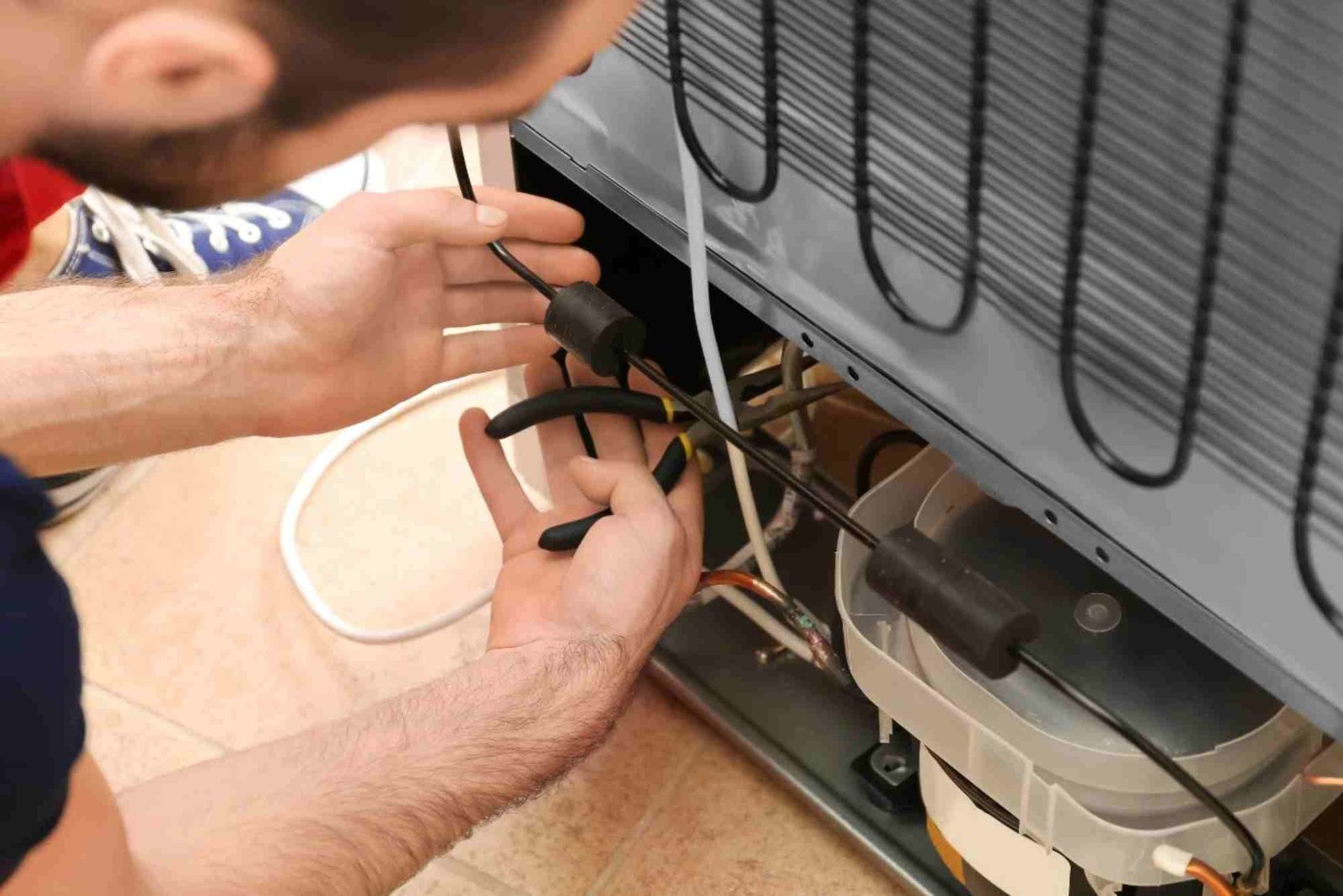
Refrigerators are essential in every home, yet many people face the sudden shock of their fridge not working. A sudden breakdown can lead to spoiled food, wasted money, and unnecessary stress. Understanding the common reasons behind this issue helps homeowners troubleshoot effectively and prevent future problems. In this article, we’ll explore why refrigerators stop running unexpectedly, what causes these issues, and how to maintain your appliance for long-term reliability.
Common Causes Why Refrigerators Stop Running Unexpectedly
Electrical Issues and Power Interruptions
One of the most frequent reasons refrigerators suddenly stop working is an electrical issue. Power surges, faulty outlets, or tripped circuit breakers can interrupt the fridge’s operation. Even a brief disruption may cause the compressor or other components to fail temporarily.
Checking your refrigerator’s power source is always the first step. Ensure the outlet is functional, and reset the circuit breaker if needed. Using a surge protector can prevent future electrical damage.
Faulty Compressor or Motor
The compressor is the heart of your refrigerator. It circulates refrigerant, keeping your fridge cool. When the compressor or its motor fails, the entire system stops working. Signs of a failing compressor include unusual noises, warm temperatures inside the fridge, and frequent cycling on and off.
Replacing or repairing a compressor is complex and often requires professional assistance. Ignoring these signs may lead to permanent damage.
Thermostat or Temperature Control Malfunctions
The thermostat regulates the refrigerator’s temperature. If it malfunctions, the fridge may stop cooling or work intermittently. Temperature fluctuations can spoil food and increase energy consumption.
Regularly checking your thermostat settings and ensuring they are not accidentally changed can prevent this issue. If problems persist, a technician can test and replace faulty components.
Dirty Condenser Coils
Condenser coils dissipate heat from the fridge. When these coils become clogged with dust, dirt, or pet hair, the refrigerator cannot cool efficiently. Over time, this may cause the compressor to overheat and fail.
Cleaning condenser coils every six months improves efficiency and prevents breakdowns. Use a vacuum or coil brush to remove dust and debris gently.
Door Seal Problems
A refrigerator door that does not seal properly can lead to cooling issues. Leaks allow warm air inside, forcing the compressor to work harder and sometimes stop functioning.
Inspect your door gaskets regularly for cracks, gaps, or loose seals. Replacing worn seals ensures energy efficiency and prevents unnecessary wear on the fridge.
Refrigerant Leaks
Refrigerators rely on refrigerant to maintain cold temperatures. Leaks in the system reduce cooling capability, leading to uneven temperatures or complete failure. Signs of a refrigerant leak include frost buildup in the freezer and warm food in the fridge section.
Repairing refrigerant leaks requires professional service. Technicians can locate leaks, recharge refrigerant, and restore proper cooling performance.
Overloading and Poor Airflow
Overstuffing your refrigerator blocks air vents and reduces airflow. Poor circulation causes uneven cooling and can strain the compressor. Even a new refrigerator may stop working efficiently if airflow is restricted.
Organize food items to allow free air movement, and avoid stacking items directly against air vents. Proper airflow ensures consistent cooling and prolongs appliance life.
Control Board or Electronic Failures
Modern refrigerators rely on electronic control boards for various functions, including temperature regulation and defrost cycles. A malfunctioning control board can stop the fridge from running entirely or cause erratic behavior.
If the fridge exhibits unusual blinking lights or fails to respond to settings, the control board may need replacement. Professional diagnostics are recommended for electronic issues.
Preventive Maintenance to Avoid Refrigerator Breakdowns
Regular maintenance reduces the likelihood of unexpected refrigerator failures. Start by cleaning coils, checking door seals, and organizing food for proper airflow. Schedule annual professional inspections to ensure all components are working efficiently.
Avoid using harsh chemicals inside the fridge, as they may damage sensors or seals. Unplug the appliance for deep cleaning to prevent electrical hazards. Preventive care not only extends refrigerator lifespan but also reduces energy costs.
Signs Your Refrigerator May Soon Stop Working
Being proactive helps avoid sudden food spoilage. Key warning signs include unusual noises, rising temperatures, frequent cycling, water pooling inside, and frost buildup. Addressing these issues early prevents major repairs.
Keeping a thermometer inside your fridge allows you to monitor temperature changes accurately. A well-maintained refrigerator should consistently stay between 37°F and 40°F for the fridge section and 0°F for the freezer.
Sudden refrigerator breakdowns are stressful, but understanding the underlying causes can save time, money, and food. Electrical issues, faulty compressors, dirty coils, and door seal problems are among the top reasons refrigerators stop working. Regular maintenance and timely repairs help maintain efficient performance and prevent unexpected failures.
Explore practical solutions and expert tips in our Related Blog article to keep your appliances running efficiently. To improve your kitchen setup, Learn more about modern refrigeration solutions and maintenance tools.
FAQs
Why is my refrigerator running but not cooling?
This may indicate a dirty condenser coil, a malfunctioning compressor, or a refrigerant leak. Cleaning coils and professional checks are recommended.
How often should I clean my refrigerator coils?
Condenser coils should be cleaned every six months to ensure efficient cooling and prevent compressor strain.
Can a power surge damage my refrigerator?
Yes, power surges or faulty outlets can stop the fridge from running. Using a surge protector is advised.
Why does my refrigerator make strange noises?
Noises may signal a failing compressor, fan motor issues, or ice buildup in the freezer. Early inspection prevents major repairs.
How do I prevent my refrigerator from breaking down?
Regular maintenance, cleaning coils, checking door seals, avoiding overloading, and professional inspections can prevent unexpected failures.
When should I call a technician for my fridge?
If you notice persistent temperature issues, unusual noises, water leakage, or if the fridge stops running unexpectedly, professional service is necessary.
For more detailed tips and expert advice, check out our blog for comprehensive appliance guides.