Introduction
Your vehicle faces greater demands during a long journey. The engine may run for several hours without stopping. Tires must handle different road surfaces and temperatures. Brakes, fluids, lights, and electrical components also need to perform consistently. Therefore, a complete inspection should be part of every road trip plan.
Why Automobile Preparation Matters Before a Long Trip
Preparing your automobile is more than checking whether the engine starts. A vehicle can appear perfectly normal while developing problems that become serious during extended driving. Small issues can become expensive repairs when you are far from home.
Proper preparation also improves driving confidence. When you know your vehicle has been inspected, you can focus more on the road and your surroundings. Furthermore, preventive maintenance can help improve fuel efficiency and reduce unnecessary wear.
Before leaving, consider the age, mileage, and recent maintenance history of your automobile. Older vehicles may require a more detailed inspection. However, even a newer vehicle deserves basic checks before a long journey.
Check the Engine and Essential Mechanical Components
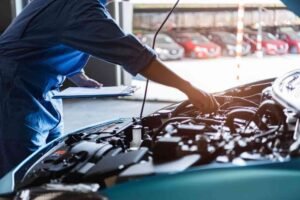
The engine is one of the most important parts of your automobile. A long trip places continuous demands on the engine and related components. Therefore, inspect the engine before departure.
Check for unusual noises, vibrations, leaks, or warning lights. If the check engine light is illuminated, investigate the issue before traveling. Ignoring dashboard warnings can turn a minor problem into a major breakdown.


Inspect the engine oil level and condition as well. If an oil change is due soon, consider completing it before your trip. Fresh oil helps lubricate internal components and supports proper engine operation.
The battery also deserves attention. Check the terminals for corrosion and ensure the battery is securely mounted. If the battery is several years old, have its condition tested before starting a long journey.
Inspect Your Tires Carefully
Tires are critical for road safety. They provide the contact between your automobile and the road. Poor tire condition can affect braking, handling, fuel economy, and overall stability.
Check the air pressure in all four tires. Follow the pressure recommended by the vehicle manufacturer. You can usually find this information on the driver’s door frame or in the owner’s manual.
Do not rely only on visual inspection. A tire can look properly inflated while having incorrect pressure. Check the pressure when the tires are cold for a more accurate reading.
Examine the tread for uneven wear, cracks, cuts, or embedded objects. Uneven tread wear may indicate alignment or suspension problems. If the tread is excessively worn, replace the tires before traveling.
Do not forget the spare tire. Make sure it is properly inflated and accessible. Also, check that your jack and wheel-changing tools are available.
Examine the Braking System
Your brakes must work reliably throughout the journey. Long trips can involve highways, traffic, steep roads, and sudden stops. Consequently, brake problems should never be ignored.
Pay attention to squealing, grinding, vibrations, or unusual pedal behavior. These symptoms can indicate worn brake components or other mechanical problems.
If the brake pedal feels unusually soft or requires excessive pressure, have the system inspected. A professional inspection can identify worn pads, damaged components, or fluid problems.
Brake fluid should also be checked according to the manufacturer’s recommendations. If you notice a fluid leak, do not continue driving without professional advice.
Check All Fluids Before Departure
Fluids help your automobile operate efficiently and safely. Before a long road trip, inspect the engine oil, coolant, brake fluid, transmission fluid, and windshield washer fluid.
Coolant is particularly important during extended driving. It helps control engine temperature and reduces the risk of overheating. Check the coolant level when the engine is completely cool.
Inspect underneath the vehicle for signs of leaks. Dark spots, colored fluid, or wet areas can indicate a mechanical issue. Even a small leak deserves attention before a long journey.
Keep suitable fluids available if your trip takes you far from service stations. However, always use products that meet your vehicle manufacturer’s specifications.
Test the Lights and Electrical Systems
Good visibility is essential during a road trip. Before leaving, test the headlights, brake lights, turn signals, hazard lights, and reverse lights.
Replace damaged or weak bulbs before departure. Clean dirty light covers because dirt can reduce visibility. Proper lighting also helps other drivers recognize your vehicle.
Check the windshield wipers as well. Worn blades can create streaks and reduce visibility during rain. Replace them if they leave large areas of the windshield unclear.
Your vehicle’s electrical system should also be checked if you notice dim lights, slow starting, or other unusual symptoms. These signs may point toward battery or charging-system problems.
Inspect the Air Conditioning System
A comfortable cabin becomes especially important during a long journey. A malfunctioning air conditioning system can make several hours of driving uncomfortable.
Turn on the air conditioner and check whether it produces consistent cooling. Listen for unusual sounds and observe whether airflow is weak.
Replace a dirty cabin air filter when necessary. A clean filter can support better airflow and improve cabin air quality.
If the system struggles to cool the cabin, have it inspected before departure. Waiting until the middle of a long journey can make a minor issue much harder to manage.
Check the Windshield and Visibility
Your windshield should provide a clear view of the road. Inspect it for chips, cracks, and damage before traveling.
Small windshield damage can sometimes spread because of temperature changes or road vibrations. Therefore, repair suitable damage before beginning a long trip.
Clean the inside and outside of the windshield thoroughly. Remove dust and oily residue that can create glare, particularly at night.
Also, adjust your mirrors and driving position before departure. Good visibility reduces blind spots and improves overall driving awareness.
Prepare Your Automobile for Comfort
Road trip preparation is not limited to mechanical reliability. Cabin comfort can also influence concentration during long hours behind the wheel.
Adjust your seat so your back and legs remain supported. Set the steering wheel at a comfortable position and ensure your mirrors are correctly aligned.
Keep frequently needed items within easy reach. Water, maps, charging cables, and other essentials should not require dangerous stretching while driving.
Avoid filling the cabin with unnecessary items. Excessive luggage can restrict visibility and create hazards during sudden braking.
Pack Essential Emergency Equipment
Even a well-maintained automobile can experience unexpected problems. An emergency kit can make a difficult situation easier to manage.
Carry a warning triangle or other suitable roadside warning equipment. A flashlight, basic tools, jumper cables, and gloves can also be useful.
Keep a first-aid kit and drinking water in the vehicle. It is also sensible to carry phone charging equipment for emergencies.
Your automobile should have a properly inflated spare tire and the necessary tools for changing it. If your vehicle uses a tire repair kit instead, understand how it works before leaving.
Plan Fuel Stops and Charging Stops
Fuel planning can prevent unnecessary stress. Before departure, understand the approximate range of your automobile and identify suitable refueling locations.
Do not wait until the fuel gauge reaches empty before looking for a station. Remote roads may have long distances between available services.
Electric vehicles require similar planning. Check charging locations along your route and consider traffic, weather, and charging time.
Planning stops also gives you opportunities to stretch, rest, and inspect your automobile. Short breaks can make a long drive more comfortable and manageable.
Consider the Weather and Road Conditions
Weather can change significantly during a long trip. Rain, extreme heat, fog, snow, and strong winds can affect both vehicle performance and driving safety.
Check the forecast before departure and monitor conditions during the journey. If severe weather is expected, consider adjusting your travel schedule.
Hot conditions can place additional stress on cooling systems and tires. Cold conditions may affect battery performance and tire pressure. Therefore, seasonal preparation is important.
You should also consider the roads you will use. Mountain roads, highways, rural routes, and city traffic can place different demands on your automobile.
Schedule a Professional Inspection
If your trip is particularly long, a professional inspection can provide additional confidence. This is especially useful when your automobile has high mileage or has experienced recent problems.
A technician can inspect components that may not be easy to evaluate at home. These may include suspension components, belts, hoses, steering parts, brakes, and other mechanical systems.
Ideally, schedule the inspection several days before departure. This gives you enough time to complete necessary repairs without rushing.
Avoid making major repairs immediately before leaving unless they are necessary. After significant repairs, giving the vehicle some local driving time can help confirm that everything works properly.
Review Your Automobile’s Maintenance Schedule
Your owner’s manual contains important maintenance information. Review the recommended service intervals before starting your journey.
Check whether the vehicle is approaching an oil change, tire rotation, brake inspection, or other scheduled service. Completing due maintenance before a long trip can reduce potential problems.
Maintenance records can also help identify recurring issues. If the same component has required repeated repairs, ask a qualified technician whether it should receive additional attention.
Understanding your automobile’s maintenance history makes trip preparation more effective. It also helps you avoid overlooking services that are already due.
Drive Responsibly After Preparing Your Automobile
Even a well-prepared automobile cannot compensate for unsafe driving. Maintain an appropriate speed and leave enough space between vehicles.
Avoid aggressive acceleration and unnecessary hard braking. Smooth driving can reduce stress on mechanical components while improving fuel efficiency.
Take regular breaks during long journeys. Fatigue can reduce reaction time and concentration, even when the automobile is in excellent condition.
If you notice a warning light, unusual smell, vibration, or sound, find a safe location and investigate the problem. Continuing to drive can sometimes cause additional damage.
Frequently Asked Questions
How do I prepare my car for a long road trip?
Start by checking the tires, engine oil, coolant, brakes, battery, lights, wipers, and fluid levels. Then inspect the vehicle for leaks or warning signs. Finally, make sure your emergency equipment is ready.
What should I check before driving long distance?
Check tire pressure and tread, engine fluids, brakes, battery condition, lights, windshield wipers, and air conditioning. Also review your vehicle’s maintenance schedule before leaving.
Should I service my car before a road trip?
If scheduled maintenance is due soon, servicing the vehicle before your trip is sensible. A professional inspection can also identify potential problems before they become serious.
How do I know if my tires are safe for a road trip?
Check the recommended tire pressure and examine the tread. Look for cracks, bulges, cuts, and uneven wear. Replace damaged or excessively worn tires before traveling.
What should I keep in my car for a long trip?
Keep basic emergency equipment, a first-aid kit, water, a flashlight, charging equipment, and suitable tire-changing tools. Your exact equipment should reflect your vehicle and travel conditions.
Conclusion
Knowing How to Prepare Your Automobile for Long Road Trips can make your journey safer and more enjoyable. A thorough inspection helps identify potential problems before they interrupt your plans. Start with the tires, brakes, fluids, battery, engine, lights, and visibility systems.
Staying informed has become an important part of everyday life. From useful tips and lifestyle ideas to the latest trends and interesting stories, reliable online content helps readers discover something valuable every day. Ducky Update offers a convenient place to explore fresh information across different topics, making it easier to stay curious, informed, and connected with what matters.
Related Reading: Best Automobile Cleaning Tips for a Like New Finish
Related Reading: Best Automobile Upgrades That Improve Driving Experience
Related Reading: How to Extend the Life of Your Automobile Engine