Introduction
Keeping a vehicle clean is about more than making it look attractive. Regular cleaning protects the paint, preserves the interior, and helps maintain the vehicle’s overall condition. With the right approach, you can achieve a polished appearance without spending hours at a professional detailing center. The Best Automobile Cleaning Tips for a Like New Finish focus on using suitable products, correct techniques, and consistent care.
A clean automobile also feels more comfortable to drive. Dust, road grime, bird droppings, mud, and pollution can gradually damage exterior surfaces. Meanwhile, dirt and spills can leave permanent stains inside the cabin. Therefore, a simple cleaning routine can make a significant difference over time.
Why Regular Automobile Cleaning Matters
Your vehicle faces many contaminants every day. Road dust can settle on the paint within hours. Rain can leave water spots, while insects and bird droppings may contain substances that affect clear coat finishes.
Regular cleaning removes these contaminants before they become difficult to eliminate. More importantly, proper washing reduces the risk of scratches caused by rubbing dirt across the paint.
Interior cleaning is equally important. Dust can accumulate around vents, dashboards, seats, and carpets. Food particles and moisture can also create unpleasant smells. Therefore, exterior and interior care should always be part of the same cleaning routine.


The Best Automobile Cleaning Tips for a Like New Finish begin with regular maintenance instead of occasional deep cleaning.
Start With the Right Cleaning Supplies
The products you use can directly affect your vehicle’s appearance. Household detergents may seem convenient, but they can be too harsh for automotive finishes. Instead, choose products designed specifically for cars.
A quality car shampoo helps remove dirt without unnecessarily stripping protective treatments. You should also use microfiber towels because they are soft and effective at trapping dust.
A separate wash mitt is useful for reducing surface scratches. Keep different towels for the body, wheels, glass, and interior. This prevents brake dust and other abrasive particles from moving between surfaces.
A soft detailing brush can also help clean grilles, badges, vents, buttons, and narrow gaps. Finally, use a dedicated wheel cleaner when necessary.
Wash Your Automobile in the Right Order
The washing technique matters just as much as the cleaning products. Begin by parking the vehicle in a shaded location. Washing under direct sunlight can cause water and shampoo to dry too quickly.
First, rinse the automobile thoroughly with clean water. This removes loose dirt and reduces the amount of rubbing required.
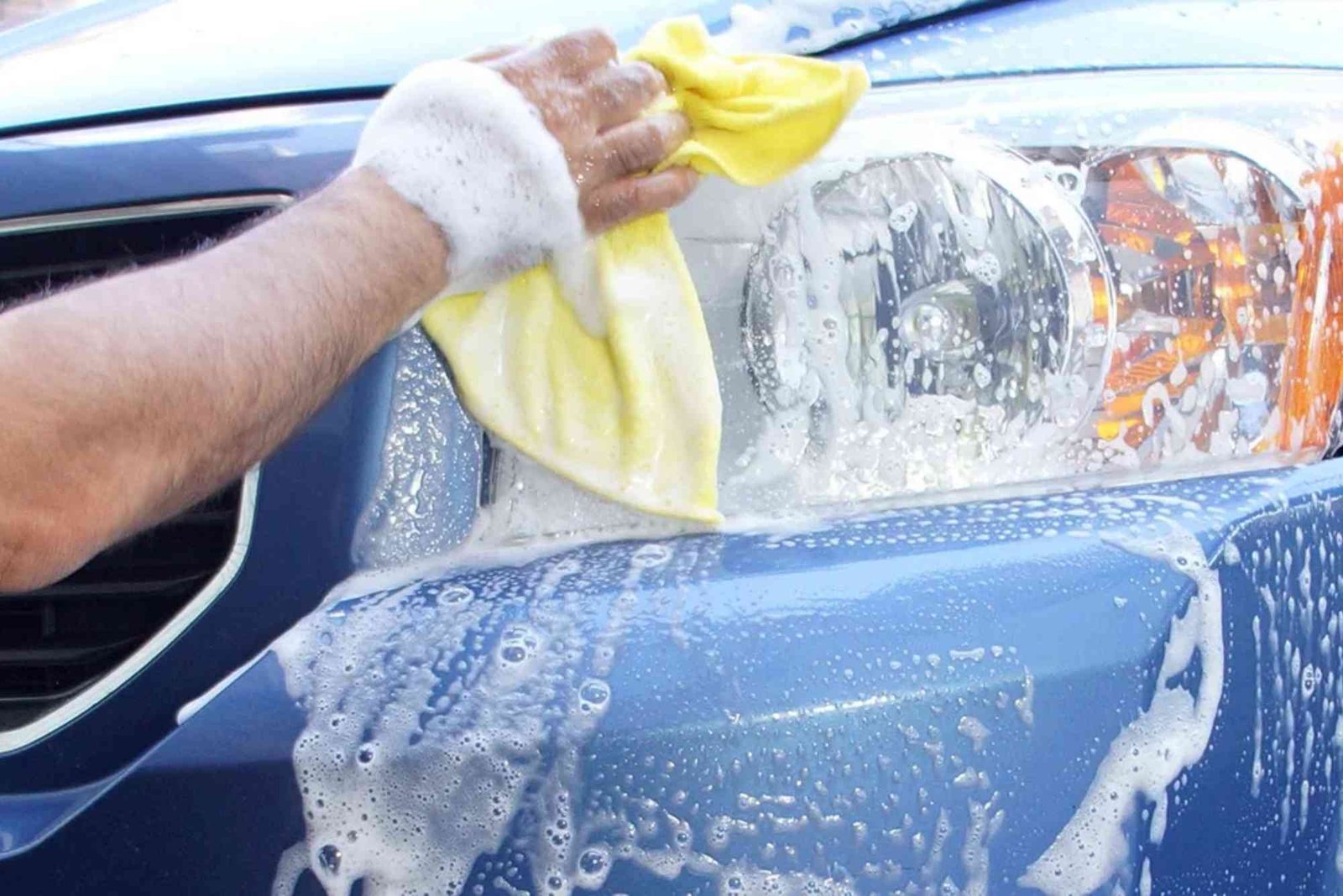
Next, apply automotive shampoo using a clean wash mitt. Work from the roof downward. The lower sections usually contain more road grime, so cleaning them last helps reduce cross-contamination.
Rinse the mitt frequently. Never continue using a dirty mitt without rinsing it. Small particles trapped in the fabric can create fine scratches across the paint.
After washing, rinse the entire automobile thoroughly. Do not allow shampoo residue to dry on the surface.
Dry the Paint Without Creating Scratches
Drying is an important part of the Best Automobile Cleaning Tips for a Like New Finish. Many people wash their cars carefully but then use an unsuitable towel.
Avoid rough household towels. Instead, choose a clean, high-quality microfiber drying towel. Gently pat or glide the towel across the surface without applying excessive pressure.
You can also use an automotive air blower to remove water from mirrors, grilles, badges, and other difficult areas. This prevents water from dripping onto an already dried surface.
Pay attention to door handles, mirrors, windows, and trim. Water trapped in these areas can later leave streaks or mineral spots.
Give Extra Attention to the Wheels
Wheels collect some of the toughest contaminants. Brake dust, road salt, mud, and oily residue can build up quickly.
Clean the wheels separately from the main body. Ideally, use a dedicated bucket, brush, and towel for this task.
Allow the wheel cleaner to work according to its instructions. Then gently agitate stubborn areas with an appropriate wheel brush.
Rinse thoroughly after cleaning. Never allow strong cleaning chemicals to remain on the wheel surface longer than recommended.
Clean tires can also improve the overall appearance of the automobile. A suitable tire dressing can restore a neat finish, but avoid excessive application because it may attract dust.
Protect the Paint After Washing
Cleaning removes dirt, but protection helps preserve the finish. Once the vehicle is clean and dry, consider applying an appropriate automotive wax or paint sealant.
Wax can enhance gloss and provide a protective layer against everyday contaminants. Paint sealants can offer longer-lasting protection, depending on the product.
Always follow the manufacturer’s application instructions. Apply products to a clean surface and use a suitable microfiber towel for removal.
For vehicles requiring advanced protection, professional ceramic coating may be an option. However, preparation is extremely important before applying any long-term coating.
A clean and protected surface is easier to maintain between deeper cleaning sessions.
Clean the Windows for Better Visibility
Clean windows improve both appearance and driving visibility. However, glass cleaning requires the right technique.
Use an automotive glass cleaner and a clean microfiber glass towel. Spray the product onto the towel when appropriate, rather than heavily spraying the dashboard or surrounding trim.
Clean the inside and outside of every window. Pay special attention to the windshield because fingerprints, haze, and oily residue can become distracting in bright sunlight.
Use separate sections of the towel for cleaning and final polishing. This helps reduce streaks.
Do not forget the side mirrors and rear glass. These surfaces contribute to visibility and should remain clear.
Clean the Interior From Top to Bottom
Interior cleaning becomes easier when you work systematically. Start with the dashboard, vents, center console, and other upper surfaces.
Use a soft microfiber cloth to remove loose dust. For vents and buttons, a soft detailing brush can reach areas that a cloth cannot.
Next, clean the seats according to their material. Leather, fabric, and synthetic upholstery require different care methods.
For leather seats, use products designed specifically for automotive leather. Avoid household chemicals that may dry or damage the surface.
Fabric seats should be vacuumed regularly. Small stains should be treated promptly using an upholstery-safe cleaner.
Finally, clean the carpets and floor mats. Shake or vacuum loose dirt before using any liquid cleaner.
Vacuum the Cabin Regularly
Vacuuming is one of the easiest ways to maintain a fresh interior. Dirt tends to collect under seats, around pedals, and along carpet edges.
Remove floor mats before vacuuming. This allows you to reach the carpet underneath.
Use suitable attachments around seat rails and narrow gaps. Pay attention to areas where crumbs and dust commonly accumulate.
Regular vacuuming also helps reduce the amount of dirt that gets embedded into upholstery. Therefore, it should be part of your normal automobile cleaning schedule.
Deal With Stains Quickly
Fresh stains are usually easier to remove than old ones. If something spills inside the automobile, clean it as soon as possible.
First, remove excess liquid using a clean absorbent cloth. Avoid aggressive rubbing because it can spread the stain or push it deeper into the material.
Use a cleaner suitable for the specific upholstery. Test the product on a hidden area first.
For persistent stains, professional interior detailing may be safer than repeated aggressive cleaning. This is particularly important for delicate materials.
Keep the Dashboard Looking Fresh
The dashboard is exposed to dust, sunlight, and heat. Regular cleaning helps maintain its appearance.
Use a soft microfiber cloth to remove dust. For deeper cleaning, use a dashboard-safe product that matches the material.
Avoid excessive use of glossy products. A very shiny dashboard can create reflections across the windshield, especially in bright conditions.
Also, avoid spraying liquids directly onto electronic controls. Apply a small amount to the cloth instead.
Avoid Common Automobile Cleaning Mistakes
Some cleaning habits can damage a vehicle despite good intentions. One common mistake is washing the automobile with a dirty sponge or cloth.
Another problem is using household dishwashing liquid regularly. Such products are not designed specifically for automotive paint.
Cleaning the body with the same towel used on wheels is another poor practice. Wheels can contain abrasive brake dust that may scratch painted surfaces.
You should also avoid wiping dry dust from the paint. Dry wiping can drag particles across the clear coat.
Cleaning in direct sunlight is another frequent mistake. Heat causes products and water to dry quickly, which can leave marks.
Avoid aggressive brushes on delicate surfaces. Instead, select tools according to the material you are cleaning.
Build a Simple Weekly Cleaning Routine
You do not need to perform a full detail every day. A practical routine can keep your automobile looking fresh with less effort.
During the week, remove obvious trash and wipe high-touch interior surfaces. Vacuum the cabin when dust becomes noticeable.
A thorough exterior wash can be performed regularly based on driving conditions. Vehicles exposed to heavy dust, mud, or pollution may require more frequent washing.
Deep interior cleaning and paint protection can be performed less often. The exact schedule depends on the automobile, climate, parking conditions, and daily usage.
Consistency is more valuable than occasional intensive cleaning.
Consider Professional Detailing When Necessary
Home cleaning works well for routine maintenance. However, professional detailing can help when the automobile has significant contamination or paint imperfections.
Detailers may provide services such as paint polishing, stain removal, leather treatment, and protective coatings.
Professional equipment can also address issues that ordinary washing cannot resolve. For example, light paint defects may require machine polishing rather than conventional washing.
If you are preparing to sell your automobile, professional detailing can also improve its presentation. A clean interior and polished exterior can create a stronger first impression.
How to Maintain a Like New Finish
Once your automobile is thoroughly cleaned, maintaining the finish becomes easier. Park in a garage or shaded area whenever possible.
Remove bird droppings and insect residue promptly. These contaminants should not remain on painted surfaces for long periods.
Use a car cover carefully when appropriate. The vehicle should be clean before covering it because trapped dust can cause scratches.
Keep microfiber towels clean and store them away from dirt. Wash them separately when possible, and avoid fabric softeners that can affect their absorbency.
Most importantly, follow a consistent cleaning schedule. Regular maintenance prevents small problems from becoming expensive cosmetic issues.
Frequently Asked Questions
How often should I wash my automobile?
Most vehicles benefit from regular washing every one to two weeks. The ideal frequency depends on weather, road conditions, parking, and daily use.
If your vehicle is exposed to heavy dust, mud, salt, or pollution, more frequent washing may be necessary.
What is the safest way to wash a car?
The safest method is to rinse loose dirt first. Then use automotive shampoo and a clean microfiber wash mitt.
Work from the cleaner upper areas toward the dirtier lower sections. Rinse your mitt frequently to reduce the risk of scratches.
Can dish soap damage car paint?
Regular dish soap is not the best choice for automotive cleaning. It can be harsher than products formulated for vehicle finishes.
Using dedicated car shampoo is generally a better option for routine washing.
How can I make my car paint shine?
Start with a clean surface and dry it properly. A suitable automotive wax or paint sealant can then enhance gloss and provide additional protection.
For paint with visible defects, professional polishing may provide better results.
How do I prevent scratches while washing my car?
Rinse the vehicle first to remove loose particles. Use clean microfiber equipment and a dedicated car shampoo.
Never drag a dirty towel or sponge across dry paint. Also, keep wheel-cleaning tools separate from paint-cleaning tools.
Conclusion
Following the Best Automobile Cleaning Tips for a Like New Finish can make a noticeable difference to your vehicle’s appearance and condition. The key is using suitable products, gentle techniques, clean tools, and a consistent routine.
Staying informed is easier when you have access to useful and engaging online content. From the latest trends and practical tips to interesting stories and everyday updates, reliable websites can help readers discover valuable information quickly. For fresh articles, helpful insights, and regularly updated content, visit Duckyupdate.com and explore topics designed to keep you informed and connected.
Related Reading: How to Prepare Your Automobile for Long Road Trips
Related Reading: Best Finance Tips for Building Emergency Savings